This post contains affiliate links. We may earn a small commission when you buy through our links — at no extra cost to you.
Many helmets sold as mountain bike helmets are little more than road helmets with a visor. They lack the extended rear coverage and rotational impact protection needed for off-road falls. A helmet that doesn’t sit low on the back of your head leaves the most common impact zone exposed. Without proper coverage, a simple sideways fall can cause serious injury.
The good news is that genuine MTB protection doesn’t require a premium price tag. Several models deliver MIPS and proper coverage without breaking the bank. The key is knowing which features actually matter for trail riding versus what’s just marketing hype.
This guide focuses on helmets that combine safety certification, a secure fit, and adequate ventilation for real-world singletrack use. Whether you ride XC, enduro, or fire roads, these choices remove the guesswork from finding a lid that actually protects.


Best for Trail Value
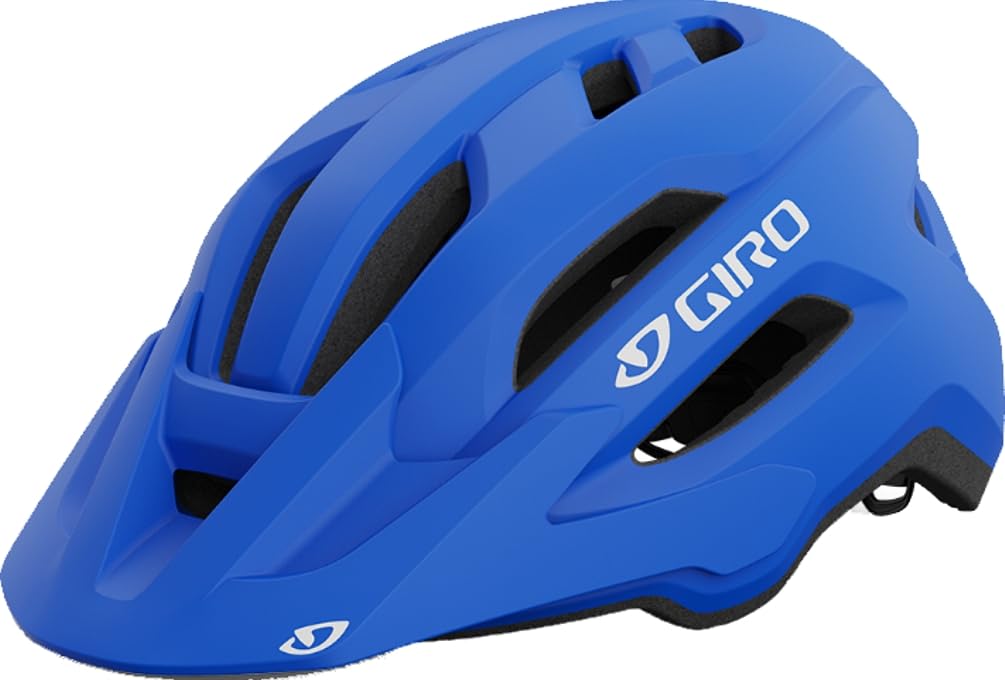
Giro Fixture II MIPS
Key Features
- MIPS Protection: Yes
- Ventilation: 18 Wind Tunnel vents
- Weight: 10 oz
- Fit System: Dial adjustment, universal
- Coverage: Half-shell
The Giro Fixture II delivers MIPS rotational impact protection at a price that undercuts most trail helmet competitors. Its 18 Wind Tunnel vents and internal channels keep airflow moving, while the in-mold polycarbonate shell keeps weight at just 10 ounces. For riders who value safety without a premium price tag, this helmet checks the key boxes.
The rear dial provides quick, secure tension adjustment, and most oval-shaped heads find the fit stable and comfortable over long rides. The non-adjustable Y-straps may cause the helmet to sit awkwardly for riders with rounder head shapes, occasionally producing pressure points. The simple dial-and-strap system works well for the intended buyer, but it’s a limitation worth checking before purchase.
This helmet suits trail riders and first-time mountain bikers who want MIPS protection on a budget and have an oval-shaped head. If your head is more round or you need fine-tuned side strap placement to avoid discomfort, the fixed straps can be a dealbreaker. For everyone else, the Fixture II offers a well-ventilated, secure ride at a remarkable price.
Pros
- MIPS rotational protection at a mid-range price
- Lightweight and comfortable for all-day use
- Great value – MIPS without the usual price jump
- Easy on-the-fly adjustment with rear dial
Cons
- Fixed side straps may cause discomfort for rounder head shapes – less of an issue for oval-shaped heads
The Fixture II keeps the price low by stripping away everything but MIPS protection, good ventilation, and a secure fit – a smart call for trail riders who don’t need adjustable side straps.
Best for Budget Trail
Exclusky MTB Helmet
Key Features
- MIPS Protection: No
- Weight: 9.76 oz
- Fit System: Dial adjustment, 22-24 in
- Coverage: Half-shell
Nearly 4,000 reviewers consistently point to the Exclusky’s comfortable fit for a wide range of head shapes and sizes, paired with a light 9.76-ounce build that reduces neck fatigue on longer rides. The rear dial makes micro-adjustments simple, and at this price point the polycarbonate shell and EPS foam offer solid impact protection for casual trail use.
This helmet suits riders who stick to mellow singletrack, gravel paths, or daily commutes and don’t need MIPS protection. The main tradeoff involves the strap system – some units have shown stitching loosen or separate after a few weeks of use. That makes it less suitable for aggressive terrain where a strap failure could be more consequential, but for routine riding the risk is manageable with periodic inspection.
Pros
- Comfortable fit across a wide head-size range
- Strong value for the price with lightweight design
- Easy one-handed tension adjustment via rear dial
Cons
- Strap stitching may separate after several weeks of use in some cases
A smart pick for budget-focused riders who prioritize comfort and low weight over MIPS, and who ride primarily on casual trails or pavement.
Best for Enthusiast Trail
Smith Engage MIPS
Key Features
- MIPS Protection: Yes (Koroyd + MIPS)
- Ventilation: 20 fixed vents
- Weight: 20g
- Fit System: Dial adjustment
- Coverage: Half-shell
The Smith Engage stands apart from more affordable helmets like the Forefront 2 by pairing full Koroyd coverage with MIPS for multi-directional impact protection. Its 20 fixed vents and internal channeling move air aggressively, making it one of the better-ventilated options for riders who tackle long climbs in warm weather.
This helmet suits enthusiast trail riders who prioritize top-tier safety and airflow and are willing to pay for it. The clear coat can bubble or flake on some units over time – a cosmetic variance that does not affect protection, but worth inspecting before purchase.
Pros
- Koroyd and MIPS work together to absorb rotational and direct impacts
- Ventilation keeps the head cool on hot, sustained climbs
- Build quality feels solid and well-finished
Cons
- Clear coat may bubble or flake on some units over time – a cosmetic issue only
Serious trail riders who demand advanced protection and airflow will find this helmet’s premium cost justified by its safety tech and ventilation.
Best for Fit Seekers
Giro Radix MIPS
Key Features
- MIPS Protection: Yes
- Ventilation: Wind Tunnel ports
- Weight: 16 oz
- Fit System: Roc Loc 5.5
- Coverage: Half-shell
The Giro Radix MIPS stands out among mid-range trail helmets for its Roc Loc 5.5 fit system, which offers both vertical and tension adjustment. This allows riders with round or oval head shapes to fine-tune the helmet’s position without pressure points. Unlike the simpler fit on the top-pick Giro Fixture II, the Radix prioritizes customization for those who have struggled to get a secure, comfortable fit from standard adjustments.
This helmet is best suited for trail and cross-country riders who have trouble finding a helmet that sits just right. The tradeoff: the visor is short and lacks length adjustment, so on sunny mornings the sun may still hit your eyes. For most trail riding under tree cover or in overcast conditions, this is a minor inconvenience. The Radix also provides solid MIPS protection, quality in-mold construction, and ample ventilation for climbing efforts.
Pros
- Fine-tune fit with Roc Loc 5.5 vertical and tension adjustments
- Comfortable padding and generous airflow keep you cool on long climbs
- Sturdy build with MIPS liner offers dependable impact protection
Cons
- Visor is fixed in length, so low-angle sunlight may still reach your eyes
For riders who need precise fit adjustment more than a long visor, the Radix delivers personalized comfort and reliable protection on the trail.
Best for Larger Heads
Fox Speedframe
Key Features
- MIPS Protection: Yes
- Ventilation: Channeled EPS
- Weight: 1.9 lbs
- Fit System: 360° Fit System
- Coverage: Half-shell
The Fox Speedframe brings MIPS protection and a 360° Fit System to riders who need extra room in the front-to-back fit. Compared to the top-pick Giro Fixture II, which offers a more universal size range and a better-balanced visor, the Speedframe tilts toward larger head shapes while keeping weight low and ventilation effective for summer trail riding.
This helmet works best for Fox loyalists with longer or wider heads who want MIPS without paying premium prices. The sizing runs large — a medium here fits like a large from other brands — so measure your head circumference carefully. The visor uses thinner plastic that can feel flimsy when adjusting, though it stays put once set. Riders with smaller domes will find the fit too loose, even with the retention system cranked down.
Pros
- MIPS impact protection at a mid-range price point
- Comfortable padding and lightweight build for all-day wear
- Ventilation keeps air moving on hot climbs
Cons
- Visor plastic can feel cheap and may crack if overtightened
- Sizing runs large — medium may fit like a large from other brands
This helmet suits Fox fans with larger head shapes who prioritize MIPS and a sporty aesthetic over a premium visor feel.
Best for All-Mountain
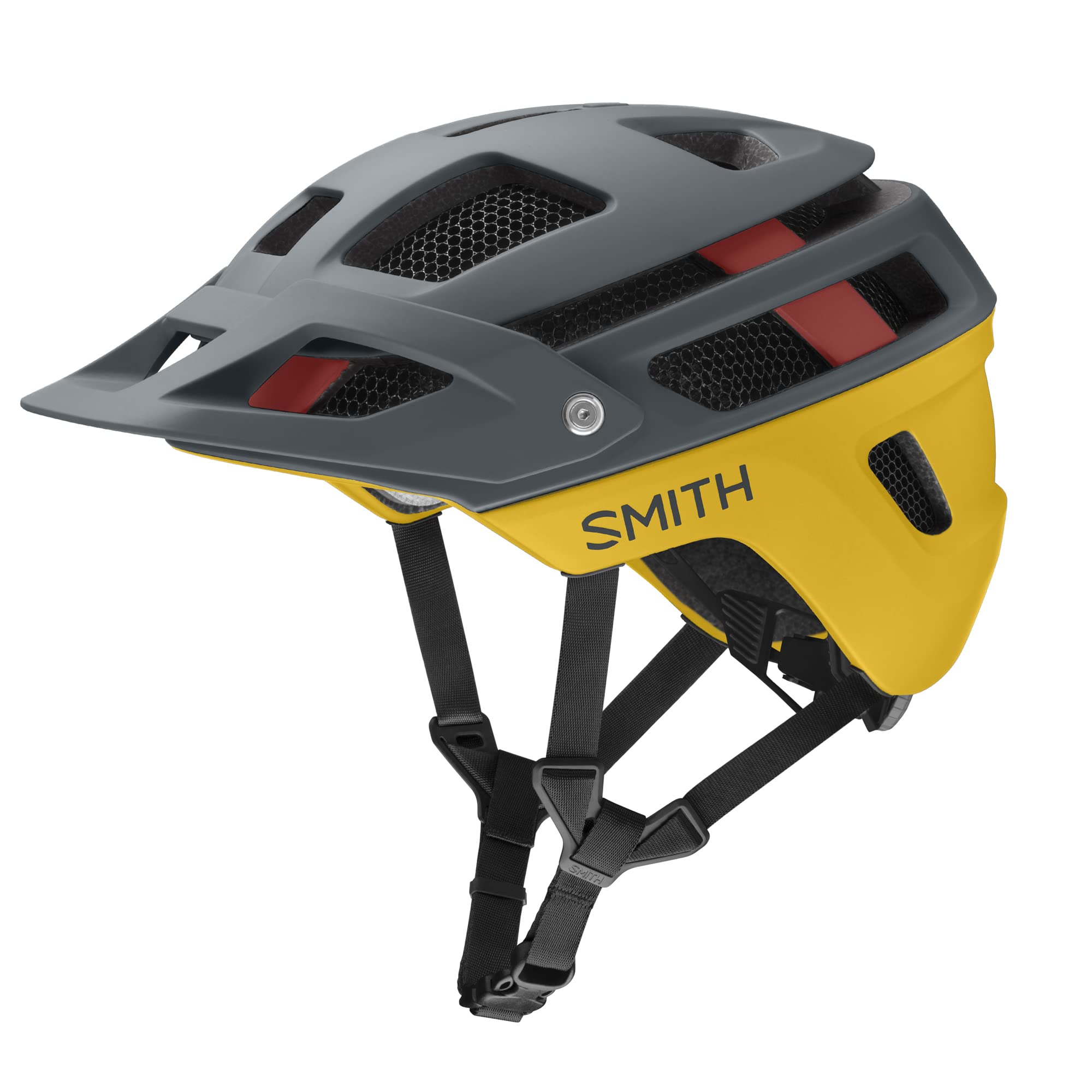
Smith Forefront 2
Key Features
- MIPS Protection: Yes (Koroyd + MIPS)
- Ventilation: 20 fixed vents
- Weight: 11 oz
- Fit System: VaporFit 270° dial
- Coverage: Half-shell
The Smith Forefront 2 brings full Koroyd and MIPS protection to a mid-range price point, matching the safety of helmets costing significantly more. Its 20 fixed vents keep airflow steady on climbs, and the 11-ounce weight avoids neck fatigue. The trade-off: fit runs small for some riders — sizing up is recommended. It sits behind the Engage in premium feel and finish, but for riders focused on protection and ventilation rather than badge prestige, this is a strong alternative.
Pros
- Full Koroyd and MIPS coverage for impact protection
- 20 fixed vents provide steady airflow for hot trail rides
Cons
A smart choice for trail riders who want full Koroyd protection without stepping up to the Engage, provided you check sizing carefully.
Best for Camera Mount
Bosoar MTB Helmet

Key Features
- MIPS Protection: No
- Ventilation: 15 large vents
- Weight: 310 g
- Fit System: Dial adjustment, 55-61 cm
- Coverage: Half-shell
The Bosoar helmet stands out for its integrated camera mount and lightweight, well-ventilated shell at a budget-friendly price. The adjustable fit accommodates most head shapes, making it suitable for casual trail riding or commuting. However, the detachable visor clip can be finicky to secure, and the helmet lacks MIPS rotational impact protection. This makes it best for casual riders who want an affordable way to mount an action camera without needing advanced safety features.
Pros
- Built-in camera mount for GoPro and similar action cameras
- Lightweight with 15 vents for airflow on warmer rides
Cons
- Visor clip may require adjustment to stay in place
This helmet fits a specific niche: budget-conscious riders who mount a camera and stick to casual trails or pavement. Not for riders who need MIPS.
Best for Budget Full-Face
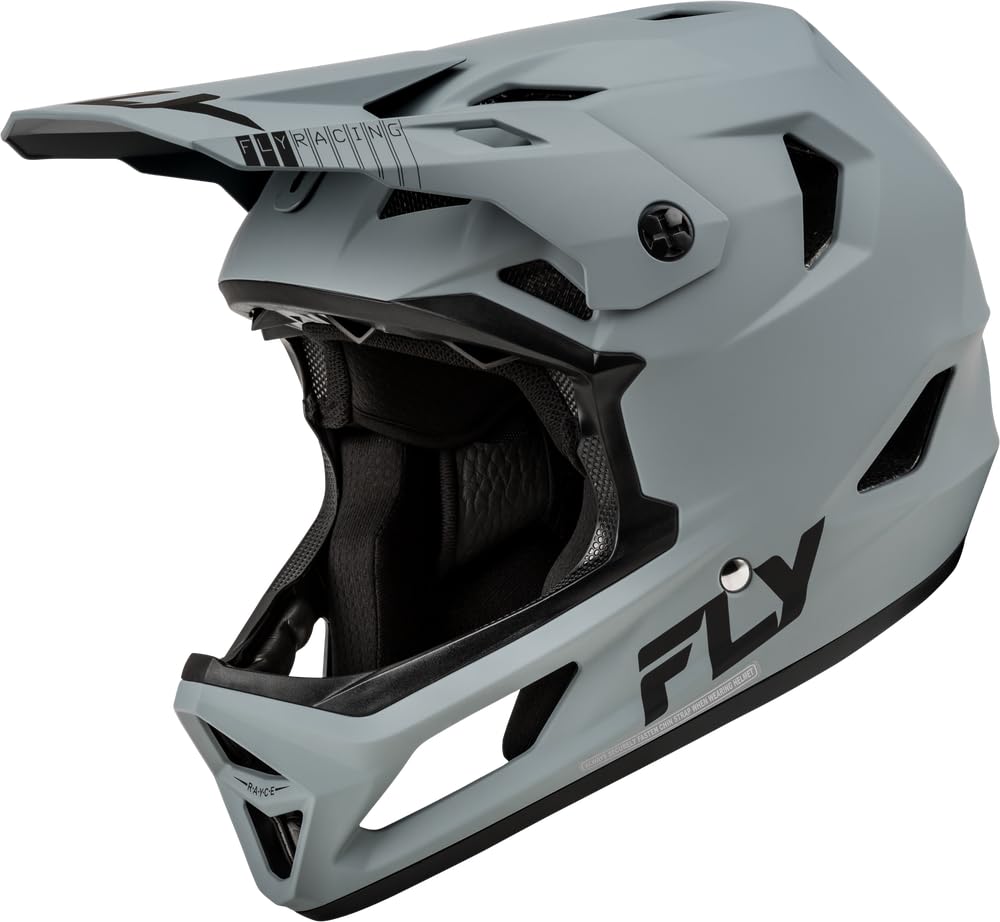
Fly Racing Rayce
Key Features
- MIPS Protection: No (ASTM DH cert)
- Ventilation: TFV airflow system
- Weight: ~930 g
- Fit System: D-ring strap, adjustable visor
- Coverage: Full-face
The Fly Racing Rayce delivers downhill-certified protection at a fraction of typical cost, making it a strong value for bike park riders. The fit runs snug, so ordering one size up is key to comfort. While it lacks the refinement of premium full-face helmets, its ASTM F1952 certification and light weight (around 930g) make it a practical choice for first-time full-face buyers or those on a budget.
Pros
- Downhill certification at a price that undercuts most full-face helmets
- Lightweight and balanced feel for a full-face, reducing fatigue on lift-served laps
Cons
Best for downhill riders who want certified protection without the premium price, provided they size up.
Best for E-Bike Certified
BATFOX NTA 8776

Key Features
- MIPS Protection: No
- Ventilation: 17 optimized vents
- Weight: 300 g
- Fit System: Dial adjustment, 3 sizes
- Coverage: Half-shell
This helmet earns NTA 8776 certification for higher-speed e-bike riding and includes magnetic goggles. The lightweight build and affordable price are strong points. However, the visor snap-on attachment can be misaligned and may break, and there is no MIPS liner for rotational impact protection. For e-MTB riders who prioritize speed certification over advanced safety features, this can work, but serious off-road riders should look for a MIPS-equipped trail helmet.
Pros
- NTA 8776 certification supports higher-speed e-bike riding.
- Lightweight at 300g with good value pricing.
Cons
- Visor attachment can be misaligned and may break during installation.
- No MIPS liner for rotational impact protection.
Best for e-bike commuters or e-MTB riders who need speed certification and want to save money, but not for aggressive trail riding where MIPS matters.
Best for Casual Commuter
Favoto MTB Helmet

The Favoto MTB Helmet pairs a magnetic buckle and a rear glasses elastic cord with a lightweight 335g build and attractive color options. Its magnetic closure simplifies daily use but can pop open under stress, making this helmet better suited for commuting or casual rides than aggressive off-road trails where a secure buckle is critical.
Pros
- Magnetic buckle and rear glasses cord simplify daily use.
- Comfortable and lightweight at 335g.
Cons
A practical choice for commuters and casual riders who want easy on/off and glasses storage, but not for aggressive mountain biking.
Best for Downhill Racers
Smith Mainline

Key Features
- MIPS Protection: Yes (Koroyd + MIPS)
- Ventilation: 21 fixed vents
- Weight: 3.2 lbs
- Fit System: Pad sets for custom fit
- Coverage: Full-face
The Smith Mainline delivers maximum downhill protection with full Koroyd and MIPS, ASTM-certified for gravity riding. Its lightweight build and 21 vents make it breathable for pedaling between descents. However, the MIPS liner creates a persistent creaking noise when turning your head, and the fit runs snug — sizing up may be needed. These quirks, combined with a premium price, limit this helmet to dedicated gravity riders who won’t compromise on safety.
Pros
- Top-tier downhill protection with full Koroyd coverage
- Lightweight for a full-face mountain bike helmet
Cons
- MIPS liner can creak when turning head
- Fit may be too snug; consider sizing up
Best for downhill and enduro racers who prioritize safety over quiet rides and budget.
Best for Recco Style
POC Tectal

Key Features
- MIPS Protection: No
- Ventilation: Ventilated channels
- Fit System: 360° size adjustment
- Coverage: Half-shell
The POC Tectal combines a clean Scandinavian aesthetic with an adjustable visor and a RECCO reflector for backcountry searchability. Its unibody PC shell and reinforced EPS meet EN 1078 and CPSC standards. However, without a base of verified customer reports, real-world performance on ventilation, comfort, and durability remains unconfirmed. Riders who rely on community validation for purchase decisions may want to consider alternatives with more user feedback.
Pros
- Built-in RECCO reflector enables searchability in backcountry scenarios.
- Stylish Swedish design with adjustable visor for trail-ready aesthetics.
Cons
- Ventilation and long-term comfort are unverified outside of brand claims.
- Premium price without the reassurance of widespread user feedback.
Best considered for riders who prioritize RECCO searchability and are comfortable buying based on brand reputation rather than verified user experiences.
How to Choose
A true mountain bike helmet must sit lower on the back of your head and include rotational impact protection – features many budget helmets skip.
Rotational Impact Protection (MIPS)
MIPS (Multi-directional Impact Protection System) reduces rotational forces during angled impacts, which are common in off-road crashes. Helmets without MIPS rely solely on EPS foam, which handles straight hits but lets the head slide sideways, increasing brain shear strain.
Most trail falls involve a glancing blow off a rock or root, not a straight-down drop. Spending an extra $20-30 on a MIPS helmet can mean the difference between a headache and a concussion. The technology adds minimal weight and vents fine.
Ventilation
More vents don’t always equal more airflow – the channeling behind them matters. Helmets with internal air channels (like Giro’s Wind Tunnel or Smith’s channeled EPS) pull hot air out the back even at slow climbing speeds.
In the summer, a well-ventilated helmet can prevent heat exhaustion on long ascents. But too many vents can weaken the shell; look for at least 15-20 vents with deep internal routing.
Weight
Every extra ounce on your head gets multiplied by leverage during long rides. A helmet that weighs 12 oz or less reduces neck fatigue noticeably by the end of a 20-mile day. Full-face models inevitably tip the scales heavier, but modern designs keep them under 2 lbs for pedaling.
Heavier helmets also shift your center of gravity, making it harder to look up on steep climbs. For cross-country and trail riding, prioritize models under 350 grams (half-shell) or under 1.3 kg (full-face).
Fit System
A dial-adjustable retention system is nearly universal, but not all dials are equal. Basic dials only tighten the circumference; advanced systems like Giro’s Roc Loc 5.5 also adjust vertical tilt, letting you fine-tune the fit for oval or round head shapes.
Side-strap adjustability is another hidden trade-off. Many budget helmets have fixed Y-straps that can’t be moved, causing pressure points on certain jawlines. Adjustable straps let you position the buckles comfortably below the ear.
Coverage Type
Half-shell helmets are the standard for trail and cross-country riding – they cover the crown and sides but leave the jaw exposed. Full-face helmets offer complete protection for downhill and enduro racing, but they’re heavier and hotter.
The real differentiator is rear coverage. Many budget ‘MTB’ helmets stop too high on the back of the head, leaving the occipital area vulnerable in a backward fall. Genuine MTB half-shells extend lower behind the ears.
FAQ
Why does my mountain bike helmet make a creaking noise when I turn my head?
That noise usually comes from the MIPS liner rubbing against the EPS foam inside the helmet. It’s common with some MIPS designs, especially the Smith Mainline. The creaking doesn’t affect safety but can be annoying. Applying a tiny bit of silicone lubricant between the liner and foam can quiet it down without compromising performance.
Are magnetic buckles safe for mountain biking?
Magnetic buckles are convenient but not as secure as traditional snap or D-ring closures for aggressive off-road riding. Several user reports on the Favoto helmet show the magnetic clasp popping open under sudden loads. They work fine for commuter or casual use, but for trail riding where a secure closure is critical, stick with a standard buckle.
How do I fix a loose visor on a mountain bike helmet?
Most visors attach with small screws or snap-in clips. If your visor wobbles, tighten the screws (usually a Phillips #2) or replace worn clips. On helmets like the BATFOX NTA 8776, the snap-on attachment is notoriously difficult and may require a drop of super glue to stay in place. If the plastic tabs are broken, you’ll need to contact the manufacturer for a replacement visor.
Does the Giro Fixture II fit people with round heads?
The Fixture II is best suited for oval-shaped heads. Its universal fit relies on non-adjustable side straps, which can pinch rounder head shapes. If you have a round head, look for the Giro Radix with its Roc Loc 5.5 system that offers vertical and tension adjustment – it accommodates rounder profiles much better.