This post contains affiliate links. We may earn a small commission when you buy through our links — at no extra cost to you.
Many winter boots, even at premium prices, develop sole separation or rubber cracking within a year. The real challenge isn’t finding warmth — it’s finding a boot that delivers both warmth and reasonable durability for your specific winter routine.
Standing still in subzero temperatures demands a different boot than moving through deep snow on a hike. The most insulated boots tend to be heavier and less flexible, while lighter boots often sacrifice enough warmth for prolonged cold exposure.
This guide focuses on matching boots to your actual use — whether that’s shoveling the driveway, ice fishing, or daily commutes — so you know exactly where you’re compromising and whether that trade-off works for you.




Best for Deep Snow Recreation
MUCK Arctic Sport Tall
Key Features
- Insulation: Fleece lining, extreme cold
- Waterproof Type: Rubber shell
- Height: Tall (knee-high)
- Closure: Slip-on
- Price: Premium
Inside the tall rubber shell, fleece lining holds heat well during snow shoveling, winter hikes, or ice fishing. The knee-high height keeps deep powder out, and the slip-on design with heel tab makes entry easy. Warmth and comfort hold up across a wide temperature range, making this a strong fit for recreational winter sports.
This boot suits anyone spending time in snow and ice for recreation – skiing trips, snowmobiling, or walking the dog. The tradeoff: after months of regular use, some units have shown sole separation, so it is not meant for daily wet-mud conditions. Also, the fit runs about a half size large; those with narrow feet may want to size down.
Pros
- Warmth holds steady in deep snow and ice conditions.
- Comfortable enough for full days on your feet.
- Water resistance keeps feet dry in slush and shallow puddles.
Cons
- Sole may separate after extended use in wet mud or heavy daily wear.
- Runs large – narrow-footed buyers should size down for a secure fit.
For winter sports and outdoor recreation in deep snow, this boot delivers consistent warmth and comfort – just plan on moderate lifespan if used daily in wet conditions.
Best for Reliable Everyday Cold
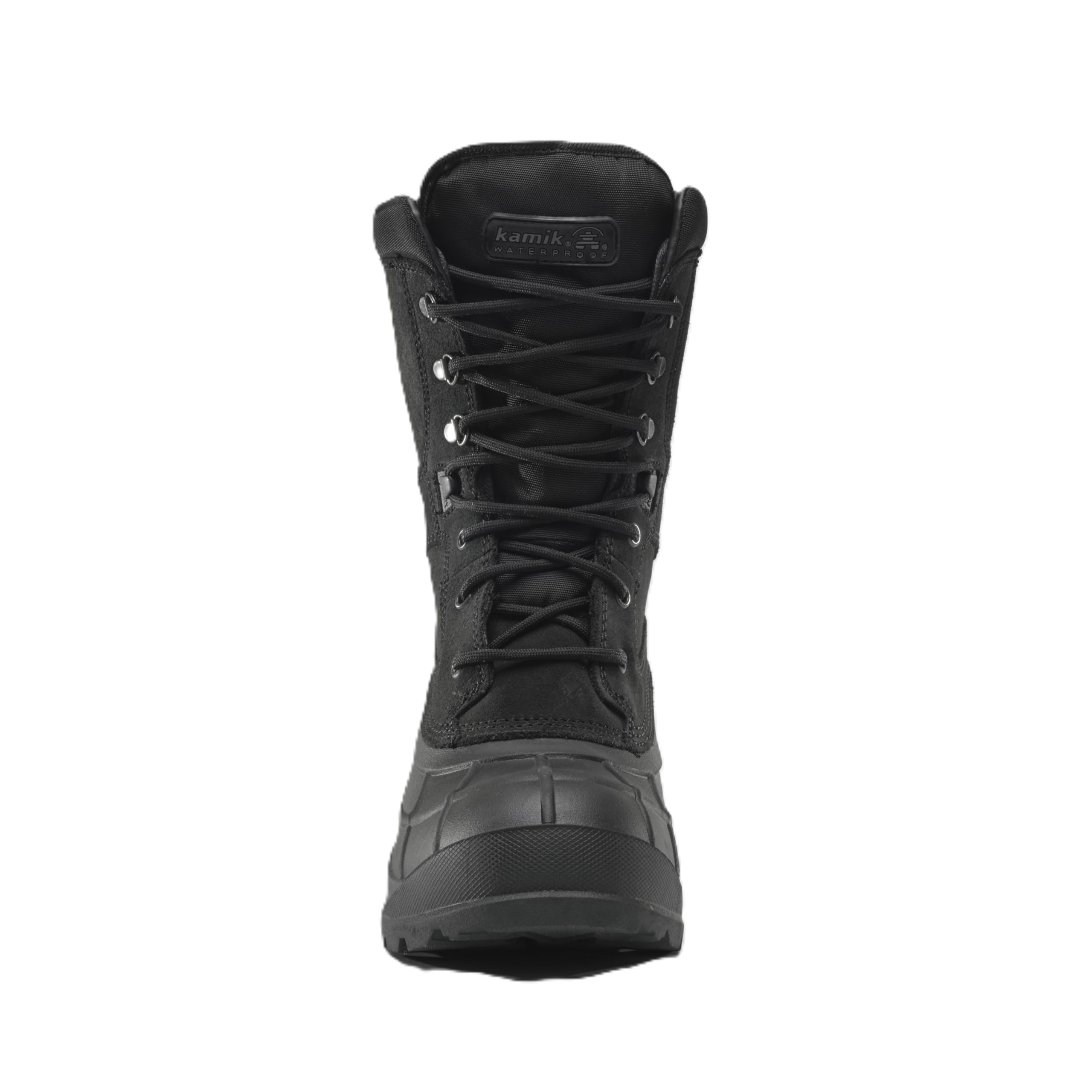
Kamik Nation Plus
Key Features
- Insulation: Felt liner, -20°F
- Waterproof Type: Rubber shell
- Height: Mid-calf
- Closure: Lace-up
- Price: Mid-Range
The Kamik Nation Plus delivers warmth and build quality that rival premium boots at a mid-range price, making it a strong choice for daily winter commutes and errands. Its felt liner and waterproof rubber shell keep feet dry and comfortable in snow and ice. Note: the boot runs small; ordering a full size up is necessary when wearing thick socks.
Pros
- Very warm for the price, keeping feet comfortable in cold weather
- High quality construction with durable rubber shell
- Comfortable for long walks with good cushioning
Cons
- Back pull tab can break or sole may show wear after extended use, so inspect periodically
For buyers who want reliable winter warmth and build without the premium price, the Kamik Nation Plus delivers — just plan to size up.
Best for Occasional Snow Tasks
NORTIV 8 Snow Boots
Key Features
- Insulation: Synthetic fleece, 200g
- Waterproof Type: Treated upper
- Height: Mid-calf
- Closure: Lace-up
- Price: Budget
Light snow tasks are where this boot shines: the cushioning and insulation provide immediate comfort at a budget-friendly price. Durability, however, can be inconsistent – some boots may experience heel separation within months of regular use.
This boot suits budget-conscious buyers who need a warm, comfortable winter boot for occasional snow shoveling, short walks, and quick errands. Heavy users or those wanting a boot that lasts multiple seasons should look at more durable options.
Pros
- Very comfortable and well-cushioned for all-day wear
- Great warmth for the price in light snow conditions
- Excellent value for occasional winter use
Cons
- Sizing runs small; order up for thick socks
- Some boots may experience heel separation within months of use
The clear choice for anyone needing a warm, affordable boot for light snow duty – just accept the durability tradeoff.
Best for Stationary Deep Snow
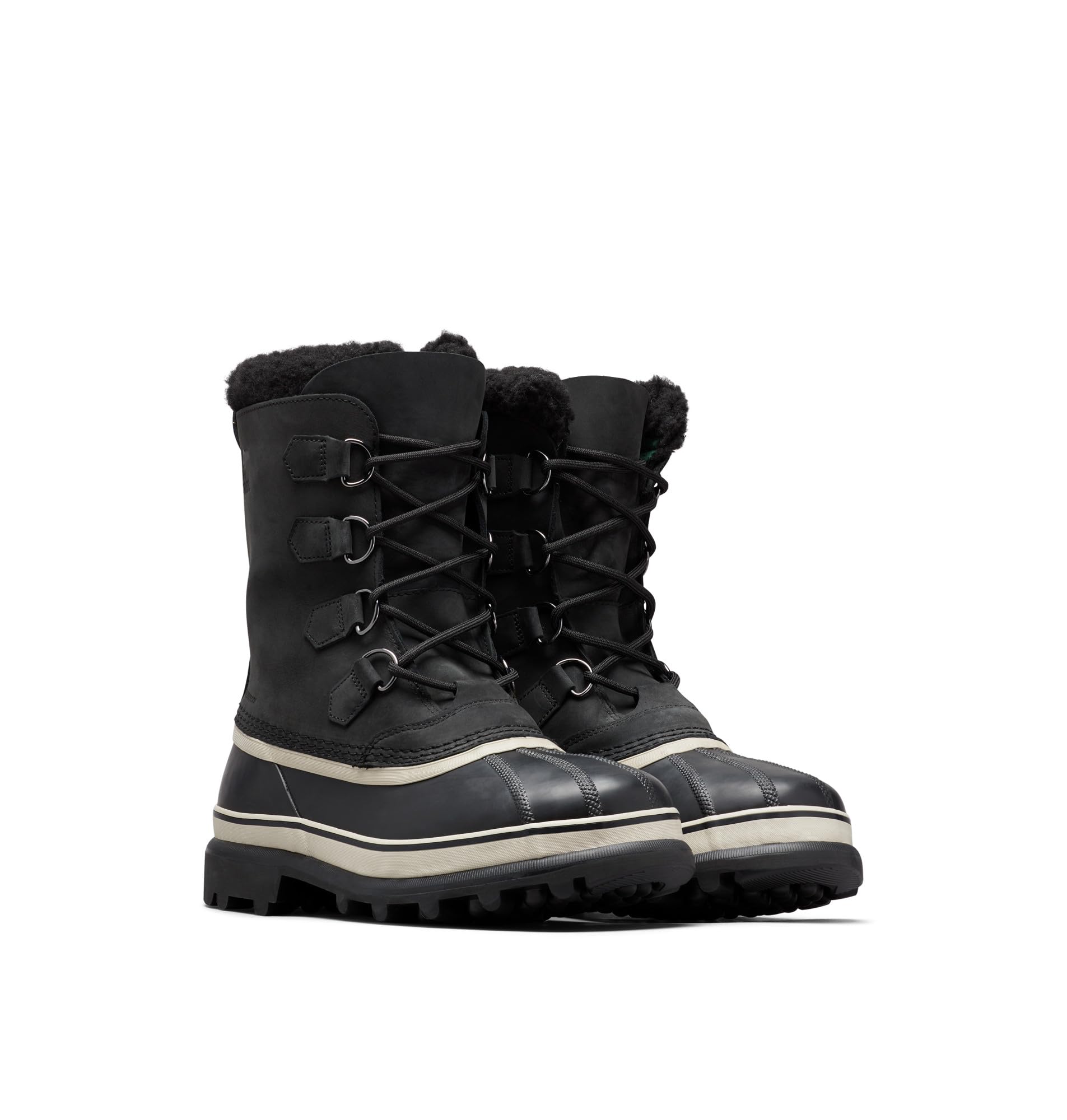
Sorel Caribou
Key Features
- Insulation: Felt liner, -40°F
- Waterproof Type: Rubber shell
- Height: Tall, 10 inch
- Closure: Lace-up
- Price: Premium
The Sorel Caribou delivers its rated -40°F warmth and a removable felt liner that can be replaced as it wears, a practical touch for long-term ownership. Where the top pick balances warmth with active versatility, this boot is optimized for motionless cold-weather tasks like ice fishing or standing in deep snow.
Best for traditionalists who want bombproof insulation during stationary exposure, but the rubber shell can crack at the flex point after a few seasons, and the single-width fit runs large. Downsizing is often needed, and feet outside average width may feel either too loose or too tight.
Pros
- Removable felt liner delivers reliable warmth down to -40°F.
- Classic design with high perceived build quality for heavy snow use.
Cons
- Rubber at the flex point can crack after several seasons of regular use.
- Boot runs large; ordering a half to full size down is often needed to avoid heel slip.
An extreme-cold boot that delivers on its -40°F promise, well-suited for ice fishermen and shovelers who don’t mind occasional rubber wear and can manage the sizing.
Best for Subzero Professionals Ice Fishing
MUCK Arctic Pro-u
Key Features
- Insulation: 8mm neoprene extreme
- Waterproof Type: Rubber shell
- Height: Knee-high
- Closure: Slip-on
- Price: Premium
The MUCK Arctic Pro-u delivers the highest level of insulation for extreme cold exposure, making it the boot of choice for ice fishermen and professionals who stand in subzero conditions for hours. The tradeoff is a higher price and possible sole separation after extended use — a consideration for those planning years of heavy wear.
Pros
- Extreme warmth for subzero stationary use
- High build quality with durable materials
- Comfortable fit with a single pair of socks
Cons
- Ankle area can feel tight for some wearers
- Sole splitting may occur after several months of use
For ice fishermen and outdoor workers who need sustained warmth in extreme cold, the Arctic Pro-u is a capable choice — just keep an eye on the soles over time.
Best for Light Moderate Snow
ALEADER Snow Boots
Key Features
- Insulation: Fleece lining
- Waterproof Type: Shell design
- Height: Mid-calf
- Closure: Lace-up
- Price: Budget
The fleece lining and insulated shell provide reliable warmth for cold days, making this a cost-effective choice for light snow and errands. Water resistance is variable – dry in powdery snow but possible dampness in slush. The narrow fit demands a full size up, especially with thick socks. This boot is best for budget buyers with narrow feet who don’t encounter heavy wet snow.
Pros
- Warm fleece lining keeps feet comfortable in cold conditions.
- Good overall build quality for the budget price point.
- Comfortable for daily wear around town.
Cons
- In slushy conditions, water can seep through the shell.
- Narrow fit requires a full size up; not suited for wide feet.
A warm budget boot for light snow, but only if you size up and accept limited water resistance.
Best for Hunters Outdoor Workers
TIDEWE Neoprene Boot
The TIDEWE Neoprene Boot offers genuine warmth to -4°F and effective water resistance for wet terrain, making it a practical choice for outdoor work or hunting in cold rain and shallow mud. However, its construction is better suited for occasional use in moderate cold rather than deep snow or ice, as sole separation has been reported within a year of regular wear. Size consistency varies between batches, so trying on before buying is recommended.
Pros
- Provides strong warmth for the price in wet, cold conditions.
- Comfortable for all-day wear with good waterproofing.
Cons
- Sole separation may occur after months of regular use in rough terrain.
This boot works well for light hunting, farm work, or quick trips in wet cold, but expect to replace it sooner than a dedicated snow boot if used heavily.
Best for Quick Outdoor Trips
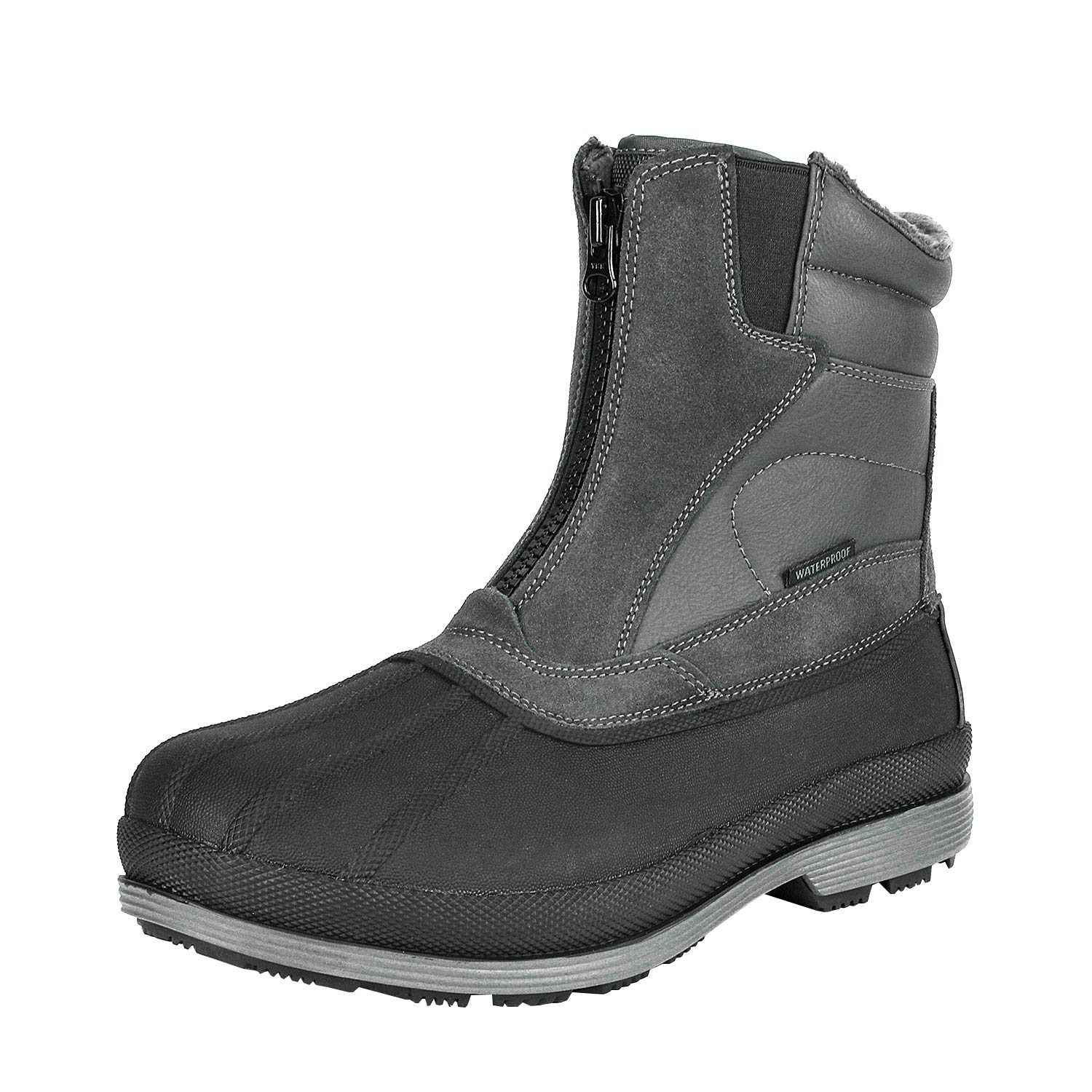
NORTIV 8 Zipper Boot
Key Features
- Insulation: Synthetic fleece
- Height: Mid-calf
- Closure: Zipper, lace-up
- Price: Budget
The NORTIV 8 Zipper Boot delivers warmth and cushioning for brief trips in cold weather, with a convenient zipper that speeds up putting on and taking off. The zipper can jam or break after limited use, so the lace-only version from the same brand offers better durability for regular winter wear.
Pros
- Easy on/off with convenient zipper closure
- Good insulation for cold weather
Cons
- Zipper can jam or break after limited use, reducing lifespan
Best for occasional, quick trips in dry snow where easy on/off matters more than long-term durability.
Best for Mild Cold Commuting
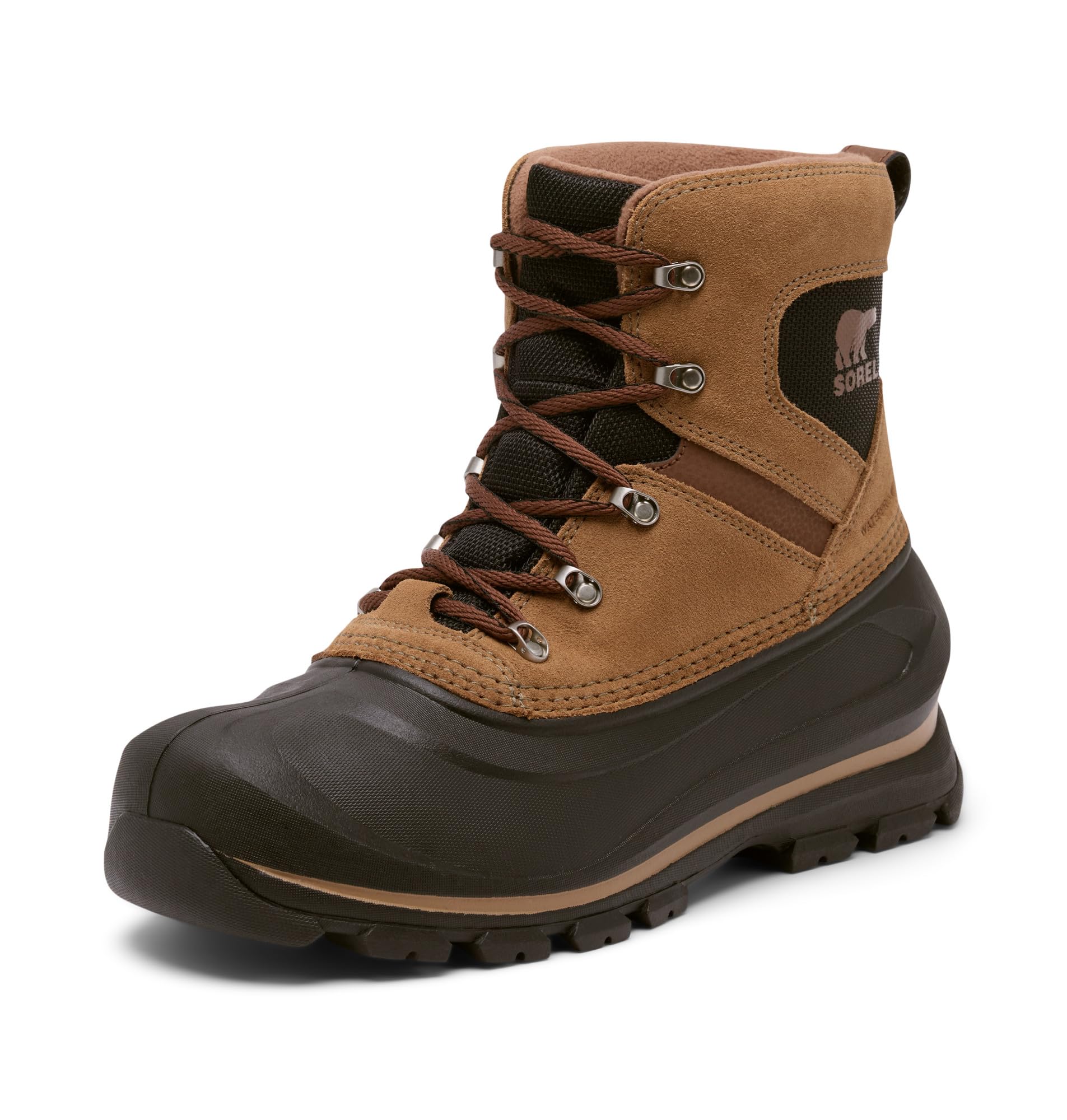
Sorel Buxton Lace
Key Features
- Waterproof Type: Sealed seams
- Height: Mid-calf
- Closure: Lace-up
- Price: Premium
The Sorel Buxton Lace delivers impressive build quality and a lightweight feel that makes city commutes easy. However, it lacks sufficient warmth for subzero temperatures, and the toe tread may peel after a season of use, making it better suited for mild winter streets than heavy snow or extreme cold.
Pros
- Premium materials and build for a lightweight winter boot.
- Good grip on snow and ice for city sidewalks.
Cons
- Toe tread can peel away after a season of use.
Best for city commuters who prioritize style and lightweight comfort over subzero warmth, and who accept that the toe tread may need attention after a season.
Best for Dry Snow Errands
CARENURSE Snow Boot

Key Features
- Insulation: Fur lining
- Waterproof Type: Water resistant
- Height: Ankle
- Closure: Lace-up
- Price: Budget
The CARENURSE Snow Boot offers decent warmth and a lightweight feel for casual winter errands in dry cold conditions. However, the water resistance is limited — wet snow or slush will soak through — and the sole lacks grip on icy patches, which keeps it to dry snow use above freezing.
Pros
- Comfortable and lightweight for daily wear
- Good warmth for casual use
Cons
- Not fully waterproof—wet feet in rain or slush
A budget-friendly option for dry snow errands where waterproofing and ice traction aren’t needed.
Best for Quick Cold Errands
SILENTCARE Snow Boot

Key Features
- Insulation: Fur lining
- Waterproof Type: Treated upper
- Height: Mid-calf
- Closure: Slip-on, zipper
- Price: Budget
This boot offers convenient slip-on access and adequate warmth for short trips in moderate cold. The fur lining and waterproof upper handle light snow well. However, the side zipper can detach or jam after limited use, and the narrow fit excludes wider feet. Best suited for quick errands rather than daily wear or heavy snow.
Pros
- Lightweight build makes slipping on and off effortless.
- Fur lining provides sufficient warmth for winter conditions.
Cons
- Side zipper can become unreliable after moderate use, making the boot difficult to put on.
A reasonable option for occasional wear in dry snow if you have narrow feet, but not for daily or wide-foot use.
Best for Casual Dry City
Bruno Marc Winter Boot

Key Features
- Insulation: Fleece lining
- Height: Ankle
- Closure: Lace-up
- Price: Budget
This Bruno Marc boot delivers a stylish, lightweight feel with cozy fleece lining for casual cold-weather walks. However, it lacks reliable grip on ice and the insulation drops off below 20°F, so it’s best reserved for dry city commutes rather than snow or active winter use.
Pros
- Fleece-lined interior stays warm and comfortable for city walks.
- Lightweight and stylish design suits casual winter outfits.
Cons
- Traction on icy surfaces can be unpredictable.
Best for dry, mild winter days when style and lightweight comfort matter more than snow and ice capability.
How to Choose
The first step to buying winter boots is understanding that warmth and durability are often trade-offs: a boot that keeps you warm at -40°F may not last as long as a lighter model.
Insulation Rating
Insulation ratings (like -20°F or -40°F) are measured under ideal conditions with the boot stationary and dry. In real-world use, moving generates body heat, so a boot rated to -20°F can feel warm during a hike in 10°F weather but cold if you stand still in the same temperature.
The type of insulation matters more than the number. Removable felt liners (like in Sorel Caribou) dry out separately and can be replaced, extending boot life. Bonded fleece linings are lighter and dry faster but wear out faster and cannot be swapped.
Waterproof Construction
Rubber shells (common on MUCK and Sorel) offer the most reliable waterproofing and are nearly impervious to slush, but they are heavier and less breathable. Treated fabric uppers are lighter and more flexible but rely on coatings that degrade over time, especially if the boot is exposed to road salt or repeated wet-dry cycles.
If you regularly walk through deep snow or standing water, a rubber shell is the only true guarantee. For occasional light snow, a quality treated upper with sealed seams is sufficient and more comfortable for walking.
Boot Height
Tall (knee-high) boots keep deep snow out and are essential for ice fishing or snowshoeing. Mid-calf boots are the most versatile — they cover most drifts under 6 inches and offer better ankle mobility for walking. Ankle-height boots are only suitable for cleared sidewalks or very shallow snow.
Outsole Traction
Many winter boots focus on warmth and waterproofing but neglect the outsole. A flat rubber sole may be fine on dry snow, but on ice or packed snow, deep multi-directional lugs are critical for grip. Some budget boots use soft rubber that hardens in extreme cold, reducing traction significantly.
Closure System
Lace-up closures offer the most secure fit and allow customization for thick socks or wide feet. Slip-on boots are quick to put on but cannot be tightened, so they rely on a snug initial fit. Zipper boots are convenient but the zipper is a common failure point — avoid them if you need heavy daily use.
FAQ
Why do winter boot soles separate so often?
Sole separation happens when the adhesive bond between the rubber outsole and upper is stressed by repeated flexing at the ball of the foot, especially in cold temperatures that make adhesives brittle. This is more common in boots with thin rubber shells or poor construction quality. Choosing a boot with a vulcanized sole (where rubber is directly molded to the upper) largely eliminates this issue, but such boots are rare in the consumer market.
Are zipper snow boots worth it for hiking?
Zipper boots are convenient for quick on-and-off but are generally not recommended for hiking. The zipper is a mechanical weak point that can jam or break when exposed to mud, ice, or repeated flexing. For hiking, a lace-up or slip-on boot with a secure fit is more reliable.
How much should I spend on winter boots for occasional snow?
For light use (shoveling, errands, short walks), budget boots around $60 offer adequate warmth and comfort but may only last one or two seasons. Spending $80 to $130 gets you better construction and usually a rubber shell for better waterproofing, with a lifespan of three to five years with normal care. For extreme cold or frequent use, premium boots over $150 are justified.
Do MUCK boots run true to size for wide feet?
MUCK boots generally run true to length but are designed for medium-width feet. Users with wide feet often find the ankle area tight, especially in tall models. Size up if you have wide feet or plan to wear thick socks. Some users report that the Arctic Sport Tall fits slightly larger than the Arctic Pro-u.