This post contains affiliate links. We may earn a small commission when you buy through our links — at no extra cost to you.
Many budget snow jackets and bibs come with warm insulation but cut corners on waterproof membranes and seam construction — leaving you wet and cold after a few hours in snow. The real challenge isn’t finding warmth; it’s finding gear that holds up over time. Sizing varies wildly, and marketing claims around ‘waterproof’ often outpace reality.
This guide focuses on pieces that deliver on their promises, with clear trade-offs so you can match them to your use. Whether you need a glove that works for shoveling and skiing or a women’s jacket that looks as good as it performs, the options here balance warmth, fit, and durability within budget.
The most common advice across all categories: size up, and expect to reapply DWR coating. That single step will save you more disappointment than any brand name.




Best for Cold Weather Work
Carhartt Knit Cuff Glove
Key Features
- Warmth: Insulated
- Water Resistance: Waterproof claim
- Price: Mid-Range
The Carhartt knit cuff glove pairs a leather palm with insulation that holds up during snow shoveling and moderate cold weather. The material feels substantial, and the brand’s workwear heritage shows in the stitching and overall build.
The waterproof membrane handles light snow and brief exposure, but prolonged wet conditions will soak through. Treat these as water-resistant rather than fully waterproof, and expect to reach for a different pair for steady rain or slushy snow.
These gloves suit outdoor workers, homeowners clearing driveways, and skiers who need warmth without bulky insulation. Plan to order one to two sizes up, as the fit runs small. If you have larger hands, the sizing may be too tight.
Pros
- Keeps hands warm during shoveling and moderate cold
- Leather palm offers good grip and durability for work tasks
- Carhartt build quality holds up to regular outdoor use
Cons
- Sizing runs small; order one to two sizes up for a comfortable fit
- Water resistance is limited and does not hold up in prolonged wet conditions
A worthwhile glove for cold-weather chores and skiing, provided you size up and keep expectations on waterproofing in check.
Best for Beginner Skiers
MOERDENG Ski Jacket
Key Features
- Warmth: Insulated
- Water Resistance: Waterproof DWR
- Price: Budget
The MOERDENG Ski Jacket brings a degree of warmth and construction that exceeds its low price point. With a comfortable fleece lining and a removable hood, it covers the basics well for casual winter outings. While it may not endure multiple seasons of frequent skiing, it delivers reliable performance for beginner skiers and occasional snow days.
This jacket suits women who want an affordable outer layer for light snow activities. The fit can be uneven – ordering a size up based on recent buyer feedback is a smart move. The zipper hardware has shown some variability in durability, so gentle handling extends its life. For its price, the tradeoffs are manageable for those who don’t need a daily driver jacket.
Pros
- Provides noticeable warmth for a budget parka.
- Construction quality feels higher than the price suggests.
- Comfortable fleece lining keeps the interior cozy.
Cons
- Fit guidance from recent reviews is recommended; ordering up may improve sizing consistency.
- Zipper durability has been noted as inconsistent; occasional breakage may occur with regular use.
Strong value for the price: warm and stylish, with zipper quality being the main caveat for long-term use.
Best for Budget Women Skiers
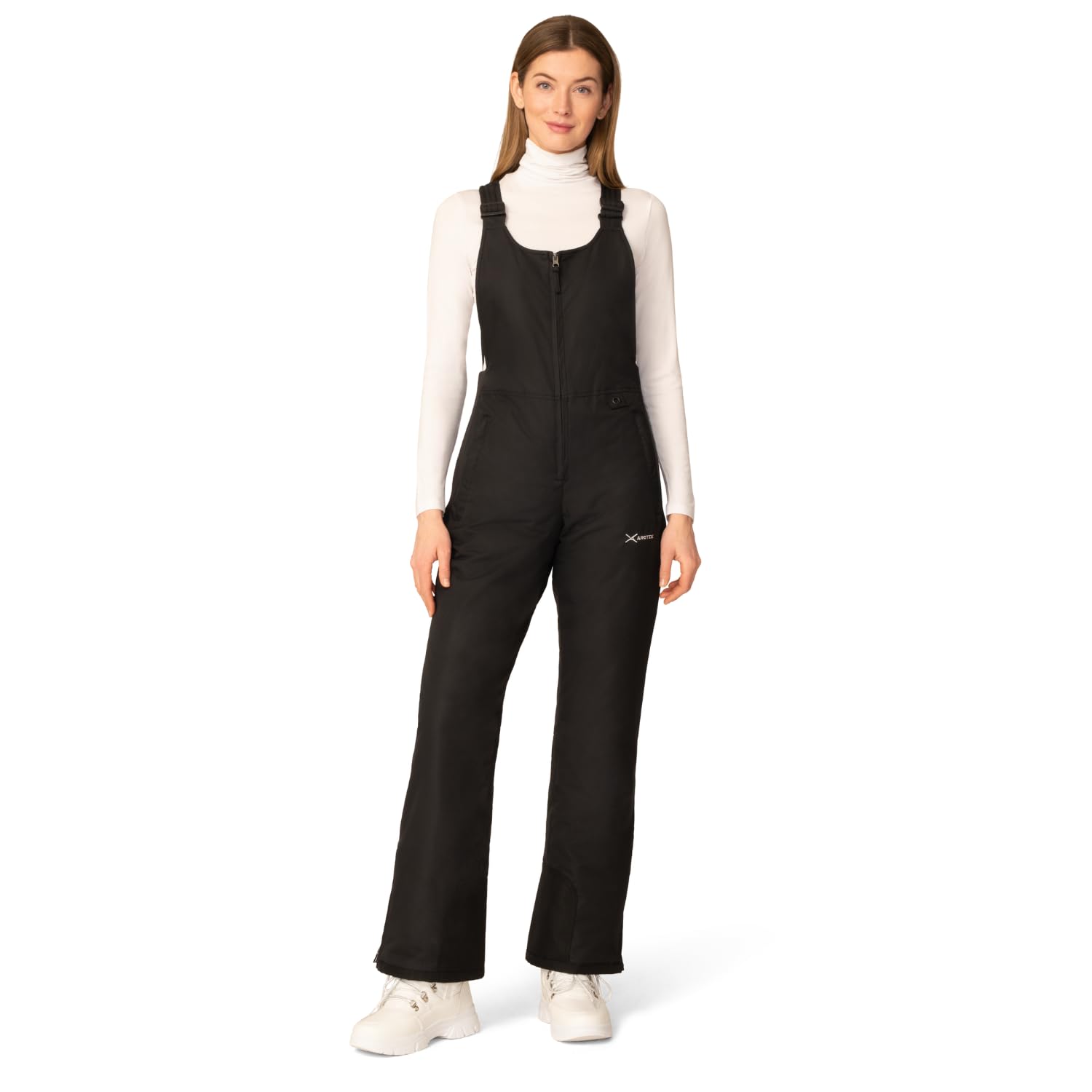
Arctix Women’s Ski Bibs
Key Features
- Warmth: Insulated
- Water Resistance: Water resistant
- Price: Budget
The Arctix Women’s Ski Bibs stand out for their insulation and comfort during cold-weather outings, offering a warmth-to-price ratio that makes them a strong alternative to the men’s bibs in this roundup. The bibs are cut with a woman’s frame in mind, which means the torso length and overall proportions suit many female skiers better than unisex or men’s options.
These bibs work best for women who prioritize warmth over heavy-duty durability and are comfortable with a fitted cut. The torso runs short, so women with longer torsos or those who prefer a roomier fit should plan to size up. For occasional resort skiing, snow play, or everyday cold-weather wear, the warmth and water resistance hold up well without breaking the bank.
Pros
- Insulation keeps you warm in frigid conditions without excessive bulk.
- Comfortable for long days on the slopes or playing in the snow.
- Budget-friendly price for the level of warmth and water resistance offered.
Cons
- Torso length runs short; women with longer torsos may need to size up for adequate coverage.
- Seam integrity can be a concern under frequent aggressive use or extended wear.
A solid choice for women seeking a warm, affordable bib for casual to moderate winter activities, as long as you size up in the torso.
Best for Budget Men Snow
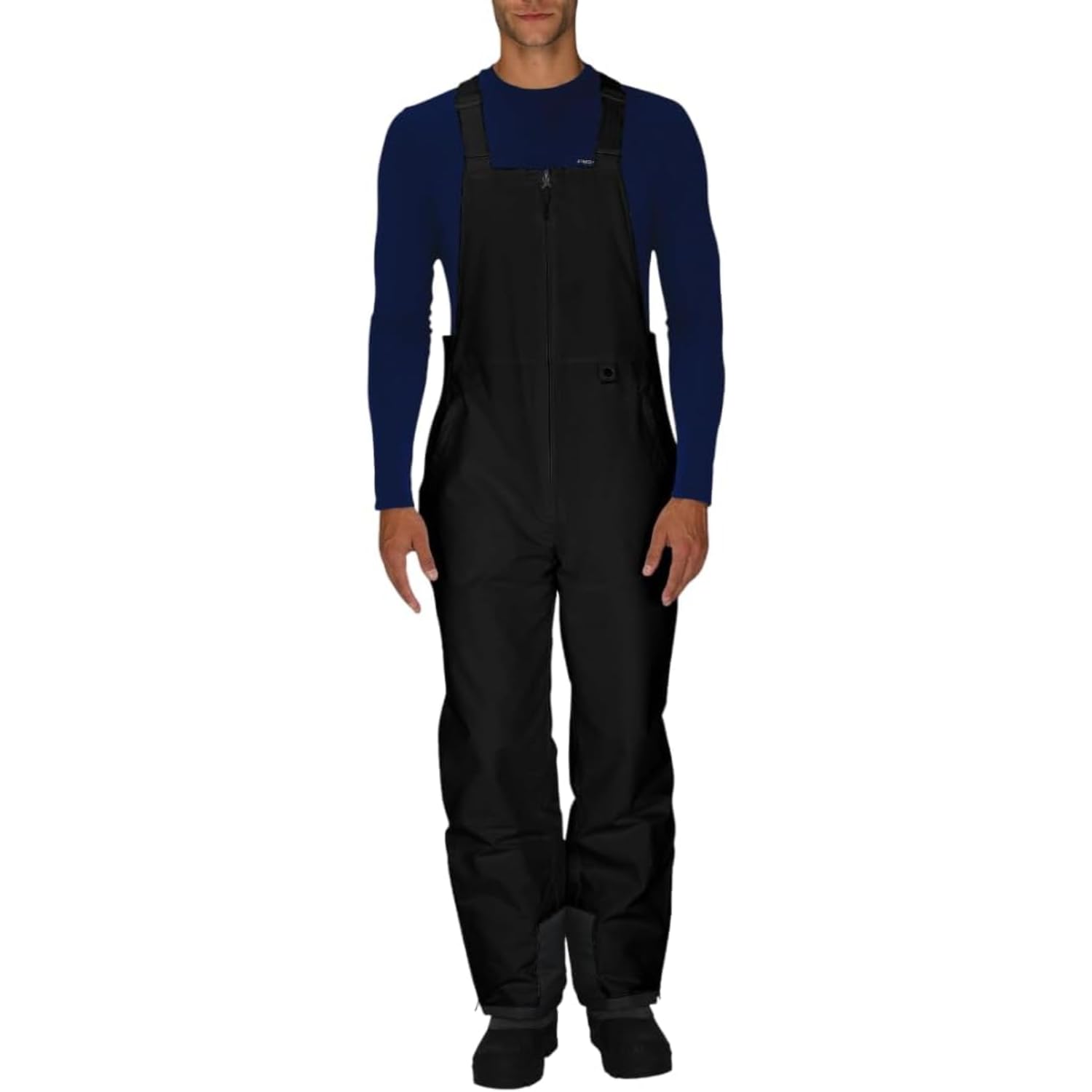
Arctix Men’s Bib Overalls
Key Features
- Warmth: Insulated
- Water Resistance: Water resistant
- Price: Budget
These bibs deliver reliable cold-weather coverage at a budget-friendly price, with adjustable suspenders and a water-resistant exterior that handles light snow well. They offer enough mobility for shoveling, sledding, or a quick ski run without feeling restrictive.
Best suited for men who need occasional snow gear for casual winter outings rather than daily outdoor work. The insulation is sufficient for temperatures well below freezing, but the seams may tear after limited use if pushed hard. Sizing runs small, so ordering one size up is advisable — especially for those with longer torsos or larger builds.
Pros
- Holds warmth well in cold weather.
- Feels well-made given the low cost.
- Comfortable fit with good freedom of movement.
Cons
- Sizing runs small, so buyers with longer torsos or larger frames may need to size up.
- Seam durability can be a concern; stitching may rip after modest use in rugged conditions.
A solid budget bib for occasional winter fun, but not built for heavy daily work — size up and keep expectations realistic.
Best for Skiing Motorcycling
Tough Headwear Balaclava
A mesh mouth panel sets this balaclava apart from cheaper alternatives where breathing feels restricted. The design stays comfortable under a helmet, making it a solid choice for skiing, snowboarding, or motorcycling. Materials feel substantial for the price, with good warmth retention during active use.
This fits most face shapes well, but those with very large or very small heads may find the sizing off. And if fog-free glasses are a must, the mesh panel helps but does not guarantee it – humid conditions or heavy exertion can still cause fogging. For casual cold-weather riders and skiers on a budget, however, it covers the essentials without breaking the bank.
Pros
- Keeps face warm in freezing temperatures
- Stitching and fabric hold up well to repeated use
- Stays comfortable during high-energy activities like skiing
Cons
- Fit may feel too loose or too tight depending on individual face shape
- Breathability can cause glasses to fog in humid or strenuous conditions
A cost-effective face mask that performs well for most cold-weather activities – just check the fit if you have an unusually small or large head.
Best for Warm Base Layer
baleaf Fleece Leggings
Key Features
- Warmth: Fleece lined
- Water Resistance: Water resistant
- Price: Mid-Range
The fleece lining traps heat effectively during cold runs and hikes, while the high-waisted design stays put under movement. Two side pockets and a back zip pocket keep phone, keys, and cards secure without bouncing around.
These leggings suit women who need a warm base layer for active use in moderate winter conditions — think temperatures above 20°F. For anything colder, the fabric isn’t thick enough to hold warmth on its own; a heavier layer or shell pants would be needed. Sizing runs slightly small, so those between sizes will find a more comfortable fit by going up one size.
Pros
- Fleece lining provides steady warmth during cold-weather activity
- Comfortable, non-restrictive fit for running and hiking
- Three pockets keep essentials accessible and secure
Cons
- In temperatures below 20°F, the insulation falls short; best for moderate cold
If your winter activities stay above 20°F and you need a pocket-friendly base layer, these fleece leggings deliver consistent warmth without excess weight.
Best for Budget Base Layer
PISIQI Thermal Set
The PISIQI thermal set’s brushed interior delivers a softness that stands out at its price point — no scratchy compression feel. Its slim fit layers easily under ski pants and jackets, trapping heat effectively for active winter pursuits. With a top and bottom combo, this set provides consistent warmth during moderate cold-weather activities without adding bulk.
This set suits women who need a budget-friendly base layer for conditions down to about 10°F — perfect for skiing, snowboarding, or daily wear. It works well as an entry-level layering piece, but the thin material won’t handle extreme cold beyond that. The cut runs small; sizing up ensures a comfortable fit without compromising warmth.
Pros
- Brushed interior feels soft against skin for all-day comfort.
- Provides sufficient warmth as a base layer for cold weather activities.
- Cost-effective set with quality construction at a low price.
Cons
- Fits snugly; ordering a size up improves fit and comfort.
- Thin material won’t provide enough warmth in sub-10°F conditions.
For moderate winter activity and everyday layering, this set delivers soft warmth at a price that’s hard to beat — just remember to size up.
Best for Extreme Cold Wind
Carhartt Knit Face Mask

The thick knit construction blocks cold and wind effectively, making this mask suited for extreme cold. Fit may be too tight for larger heads, and the thickness can feel bulky under a helmet. It is limited to face coverage and costs more than full balaclavas, reducing its versatility for varied activities.
Pros
- Keeps face warm in sub-zero temperatures with thick knit insulation
- Durable build quality typical of Carhartt outerwear
Cons
- Eye opening may not align well with all face shapes, causing gaps or tightness
- Thick knit can feel bulky when worn under a helmet or hat
Best for those who prioritize extreme cold protection over full-face coverage and helmet compatibility, and who accept the higher cost for Carhartt durability.
Best for Light Winter Activities
TRENDOUX Thinsulate Gloves

Key Features
- Warmth: 3M Thinsulate
- Water Resistance: Claimed waterproof
- Price: Budget
The TRENDOUX gloves bring 3M Thinsulate warmth and responsive touchscreen fingertips to a budget-friendly price point. The reinforced PU leather palm offers decent grip for cycling or light winter work. However, the waterproof claim does not hold up in wet snow or slush, and warmth drops off below 20°F. Sizing runs small, so ordering up is wise. These work best for mild, dry conditions where budget is the priority — not for wet or extreme cold.
Pros
- Thinsulate insulation provides solid warmth for moderate cold down to about 20°F
- Touchscreen-compatible fingertips work reliably for quick phone use
Cons
- Water resistance is poor; gloves wet through in steady rain or slush
- Insufficient insulation for temps below 20°F, especially in wind
A reasonable budget option for dry, moderate cold if you size up and skip wet conditions — the Carhartt alternative provides better weather protection and durability for a higher cost.
Best for Budget Wind Protection
Sireck Balaclava

Key Features
- Warmth: Fleece thermal
- Water Resistance: Water resistant
- Price: Budget
The Sireck Cold Weather Balaclava delivers effective wind protection and warmth for its price point, making it a wallet-friendly option for cold-weather activities. Fit can be either too snug or too loose depending on head size, and the limited breathability means glasses will fog up during active use. These tradeoffs are more pronounced than in the top-rated Tough Headwear balaclava, which offers better breathing and sizing consistency.
Pros
- Windproof fleece blocks cold drafts effectively.
- Solid warmth retention for its cost.
Cons
- Fit may be too tight for larger heads or too loose for some — sizing inconsistency is a known limitation.
- Breathability is limited, which can lead to glasses fogging during exertion.
Best for budget-conscious skiers or motorcyclists who prioritize wind protection and don’t wear glasses or have average head sizes.
Best for Athletic Helmet Use
Nike Pro Hyperwarm Hood

This hood delivers excellent warmth for its weight, ideal for athletes who need a low-bulk layer under a helmet. The compression fit keeps it secure during movement, but it is very snug and works best for smaller-headed individuals. Those with larger heads or a preference for loose comfort should look elsewhere. Its intended role under a helmet means it lacks the versatility of a full balaclava for wider cold-weather use.
Pros
- Provides excellent warmth without bulk, suitable for cold weather sports.
- Comfortable athletic fit stays in place under helmets during activity.
Cons
- Very tight fit limits suitability to smaller-headed users or those who prefer a snug feel.
Best for athletes with smaller heads who want a snug, warm hood under a snowboarding or football helmet.
How to Choose
Budget snow gear often delivers warmth but skimps on waterproof membranes and seam construction, so prioritize proven durability over flashy features.
Warmth Rating and Insulation Type
Warmth comes from insulation thickness and material. Synthetic fills like Thinsulate or fleece trap heat even when damp, while down offers better warmth-to-weight but fails when wet. In the $15–$45 range, most items use polyester fleece or basic synthetic insulation sufficient for temps above 20°F.
If you plan to sit still for long periods (ice fishing, spectators), look for thicker insulation or multiple layers. For active skiing or hiking, moderate insulation plus a proper base layer prevents overheating and sweat buildup.
Water Resistance vs. Waterproofing
Many budget items label themselves ‘waterproof’ but use a basic DWR coating that repels light snow for a few outings. After that, the coating wears off and the fabric soaks through. True waterproof membranes (e.g., Gore-Tex) are rare at low price points.
For occasional snow play, DWR is acceptable. For wet snow or all-day exposure, expect to reapply spray-on DWR or accept dampness. The waterproof claim on budget gloves and balaclavas is almost always overstated.
Fit and Sizing Accuracy
Sizing inconsistencies are the #1 complaint across all snow gear categories. Brands like Arctix, Carhartt, and baleaf consistently run small. The same size from different brands can vary by inches. Always measure your chest, waist, and hand circumference and compare to the retailer’s size chart.
For bibs and gloves, sizing up one or two sizes is safer than trusting the tag. For balaclavas, a snug fit under a helmet is ideal, but too tight restricts blood flow and causes discomfort. Look for adjustable drawstrings or elastic panels.
Durability of Seams and Zippers
Stitching and zipper quality determine how long a piece lasts. Budget items often use single-stitched seams that tear under tension, especially in high-stress areas like crotch seams on bibs or thumb holes on gloves. Plastic zippers are more prone to breaking than metal ones.
If you plan to use gear more than a dozen times per season, prioritize double-stitched seams and YKK or metal zippers. For occasional use, single stitching is acceptable but inspect seams after each wash.
Breathability for Active Use
Breathability is the trade-off for warmth. Insulated fabrics that trap heat also trap sweat, leading to clamminess and rapid chilling when you stop moving. Look for mesh panels, ventilation zippers, or moisture-wicking linings.
Balaclavas with a mesh mouth panel reduce fogging on glasses and goggles but still may not eliminate it entirely. If breathability is critical (high-output activities), choose a piece with a dedicated nose slot or adjustable vents.
FAQ
Why do my Carhartt gloves keep getting wet inside even though they say waterproof?
The ‘waterproof’ label on Carhartt gloves refers to a DWR coating that repels light moisture at first. After a few washes or a season of use, the coating degrades and the fabric becomes permeable. For sustained wet snow, treat them with a spray-on DWR or choose a glove with a sealed membrane.
How tight should a balaclava fit under a ski helmet?
A balaclava under a helmet should be snug enough to stay put but not compress the helmet’s padding or constrict your breathing. If you feel pressure points or the helmet shifts when you shake your head, the balaclava is too thick or too tight. Look for a thin fleece model with a mesh panel for better fit.
Are budget ski jackets like MOERDENG actually warm enough for 20-degree weather?
Yes, most budget ski jackets with synthetic insulation are sufficient for 20°F and above, especially when layered with a thermal base. They lack the advanced moisture management and windproofing of premium jackets, so you may feel colder during stops. For extended static use in temps below 20°F, a mid-layer is recommended.
What size should I order for Arctix bibs if I’m between sizes?
Order up one full size from your normal pant size. Arctix bibs run small, especially in the torso, and many users report the waist and inseam are shorter than expected. The adjustable suspenders can compensate for some length, but a too-small bib will restrict mobility and cause discomfort.