This post contains affiliate links. We may earn a small commission when you buy through our links — at no extra cost to you.
The challenge with men’s base layers isn’t finding a warm option – it’s finding one that fits properly and doesn’t fall apart after a few washes. Many budget sets deliver impressive warmth on paper but come up short on durability or sizing consistency. This guide focuses on the models that balance all three: warmth, fit, and longevity, so you can buy with confidence.
There’s also a fundamental choice between buying a full set or separate pieces. A complete set offers convenience and cost savings, but specialized leggings or tops often provide better performance for specific activities like winter running or backcountry hiking. We’ve evaluated the options to help you decide which approach suits your outdoor needs.


Best for Cold-Weather Hiking
HEROBIKER Thermal Set
The HEROBIKER thermal set uses a fleece-lined midweight fabric that traps body heat without adding noticeable bulk. Warmth holds up in typical winter conditions like skiing and hunting in the 30-40°F range. The polyester fleece feels soft against the skin, avoiding the itchiness of some synthetic base layers.
The fabric maintains comfort during extended wear, and the set includes both top and bottom for convenient layering under outer gear. This combination of warmth and softness makes it a practical option for cold-weather outings where staying dry isn’t the primary concern.
This set suits budget-minded skiers, hunters, and hikers who need reliable warmth without spending on premium brands. However, the top runs small — buyers should order one size up. The pants lack a fly opening, which may require extra planning during long outings.
Pros
- Effective warmth without the bulk of heavier layers.
- Soft fabric stays comfortable against skin during extended wear.
- Complete set at a budget-friendly price.
Cons
- Sizing runs small, especially the top — may need to size up.
- No fly opening on pants, which can be inconvenient.
A solid choice for those who prioritize warmth and comfort per dollar over premium features like a fly opening or guaranteed fit.
Best for Winter Running
UA ColdGear Leggings
The Under Armour ColdGear Leggings prioritize lower-body warmth for high-output winter activities, with a brushed interior that retains heat effectively during sub-freezing runs and ice fishing. Unlike the complete fleece sets that cover both top and bottom, this is a standalone legging — you’ll need a separate top for full coverage. Sizing runs very tight, so plan to order one to two sizes up. The fabric holds up well to repeated use in harsh conditions, making it a durable choice for dedicated cold-weather enthusiasts.
Pros
- Superior warmth for sub-freezing conditions
- Comfortable fit for high-output activities
- Durable fabric withstands harsh winter use
Cons
- Fabric may develop small holes after several wears in high-friction areas
- Sizing runs tight; consider ordering one to two sizes up
For winter runners and outdoor workers who need a focused lower-body base layer, these leggings deliver consistent warmth — just account for the tight fit and plan to buy the top separately.
Best for Winter Sports
UA ColdGear Mock
The Under Armour ColdGear Armour Fitted Mock delivers exceptional warmth for skiing, snowboarding, and winter golf, with the brushed interior trapping heat effectively. It works equally well as a standalone piece or under a shell, making it a flexible choice for cold-weather layering.
This top suits those who prioritize cold-weather performance over cost — it’s a premium-priced single layer. The mock neck adds extra coverage, though some may find the collar slightly loose. Avoid this for high-sweat activities or warm days, as the insulation is designed for cold only.
Pros
- Strong warmth for sub-freezing outdoor activities
- Functions as both a base layer and a standalone top for casual wear
Cons
- Premium price for a single top — a significant investment compared to budget sets
- Mock neck collar can feel loose on slimmer builds, reducing the intended fit
If you need a dedicated cold-weather base layer that prioritizes warmth and style over price, this Under Armour top is a focused performer — just be prepared for the premium cost and check the neck fit.
Best for Casual Lounging
Amazon Essentials Waffle Set
This cotton waffle set delivers solid warmth and softness for casual indoor use, with a fit that works for most body types. Unlike the top pick (a synthetic set for outdoor activities), this one is strictly for mild conditions — cotton loses insulating properties when wet, making it unsuitable for hiking or rain. It’s a comfortable option for lounging or light outdoor errands on dry, chilly days.
Pros
- Soft, warm fabric for mild cold — good for indoor lounging
- Comfortable, true-to-size fit for most buyers
- Budget-friendly price for a complete set
Cons
- Fabric thickness may be too thin for some — not as insulating as heavier thermals
- Cuffs can ride up during movement, especially on arms and legs
Great for mild-weather lounging or as a spare set, but avoid using it outdoors in wet conditions or for any activity where you might sweat heavily.
Best for Multi-Day Trips
Merino.tech Wool Set
This merino wool set stands apart from budget synthetic sets by offering natural temperature regulation and odor resistance that lasts through multi-day trips. The fabric is exceptionally soft and breathable, though the fine merino can develop holes in high-stress areas like elbows and knees after limited use — a tradeoff best suited for backpackers who value comfort and freshness over rough-and-tumble durability.
Pros
- Natural merino wool provides warmth and breathability for cold weather.
- Exceptionally soft against skin with a comfortable fit.
- Odor resistance keeps the set fresh over multiple days of wear.
Cons
- Premium pricing reflects the material cost, making this a significant investment for a base layer set.
- Holes may develop in elbows and knees after repeated wear.
For multi-day backpackers who prioritize comfort and odor control over long-term durability, this merino set delivers where synthetics fall short. Those needing a rugged workhorse should look to a synthetic alternative.
Best for Sports Layering
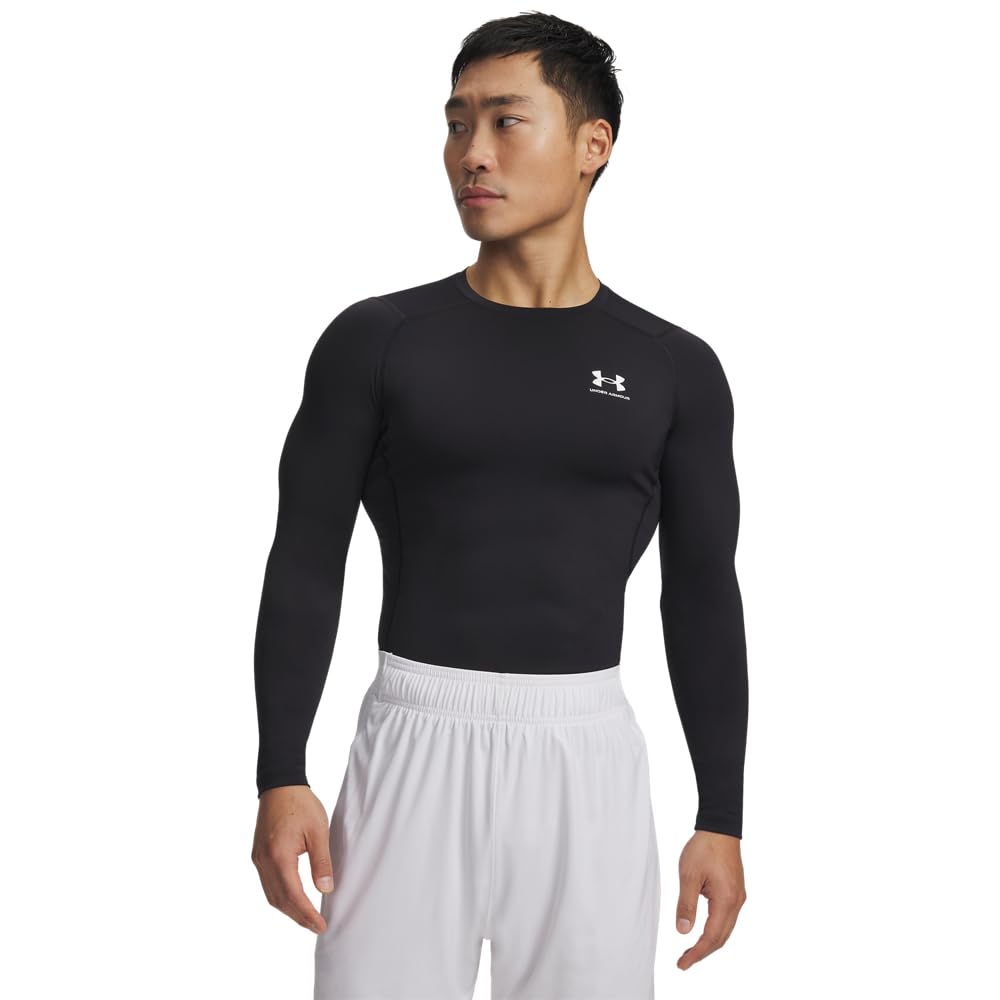
UA HeatGear LS Tee
Under Armour’s HeatGear compression long-sleeve is a smart pick for layering under sports uniforms and for running in cool weather. Unlike insulated mock-neck base layers, this lightweight top focuses on moisture management and freedom of movement. The fabric feels smooth against the skin and dries quickly during high-output activity. Sizing runs very small, so plan to order one to two sizes up. It’s ideal for athletes who prioritize sweat-wicking and a snug fit over static warmth.
Pros
- Layers smoothly under jerseys and uniforms for baseball, hockey, and running
- Moisture-wicking fabric keeps you dry during high-output activity
- Stitching holds up to repeated washes
Cons
- Sizing runs very small – order one to two sizes up even for compression fit
Best for athletes needing a performance base layer for moderate-weather sports, not for lounging or static cold.
Best for Cool-Weather Runs
UA HeatGear Leggings

This legging provides a snug, secure fit for runners and gym-goers in 30-40°F conditions, with moisture-wicking fabric that works well under shorts. It’s a single bottom, not a full set, and lacks the insulation needed for cold-weather hiking or static use. Seams can separate with regular wear, and sizing runs small — order up one size. The top pick set delivers both top and bottom at a similar price, making this a focused alternative for those who only need the legs.
Pros
- Comfortable for running and gym workouts under shorts
- Provides light warmth for 30-40°F runs
Cons
- Seams may separate with regular wear
Best for active runners and gym-goers who need a lightweight compression layer in cool weather and are okay with a single bottom purchase.
Best for Gym and Running
UA HeatGear Shorts

These compression shorts offer a secure thigh pocket that holds large phones without bounce, ideal for gym workouts and warm-weather running. However, they are not suited for cold weather or full-leg coverage due to short length and lack of insulation. Durability concerns with the waistband seam and logo may arise with regular use.
Pros
- Secure pocket keeps phone in place during high activity.
- Compression fit stays put during gym and running activities.
Cons
- Waistband seam and logo may show wear over time.
Best for gym sessions and warm-weather runs where a phone pocket is essential, but not for cold weather or daily heavy use.
Best for Budget Layering
FOTL Waffle Bottom

This waffle-knit bottom is one of the most affordable ways to add warmth under jeans or sweatpants during mild cold. The cotton-polyester fabric feels soft against the skin and provides decent insulation for casual indoor wear or short trips outside. However, cotton blends hold onto moisture, so this is not a layer for hiking, shoveling, or any activity that works up a sweat. Sizing runs large in the waist, which can leave a gap unless you size down. The crotch seam may separate under stress, making this best for light-duty lounging rather than high-movement use.
Pros
- Very low cost for a thermal bottom that keeps you warm in casual settings
- Soft waffle texture feels comfortable against the skin under pants
Cons
- Cotton blend absorbs sweat and loses insulation when damp — not for active use
Good for budget buyers who need a warm bottom layer for couch time or short errands in the cold, but choose a synthetic set if you plan to move or sweat.
Best for Cold Weather Layering
Thermajohn Thermal Set

This set delivers proven warmth for sub-freezing conditions, using a soft fleece lining that stays comfortable against the skin. Sizing may come up short in the arms and legs for average-height men, and some units have shown waistband tearing after limited use. The top pick from HEROBIKER offers comparable performance at a more budget-friendly price, making this a secondary option for those who find the fit works.
Pros
- Soft fleece lining that avoids itchiness, suitable for all-day wear.
- Good freedom of movement for active tasks like bending or walking.
Cons
- Arms and legs may be short for average-height men, limiting the fit.
Best for cost-conscious shoppers who need a warm set for casual lounging or light outdoor use, provided the shorter fit is acceptable.
Best for Budget Winter Layering
WEERTI Thermal Set

This WEERTI set delivers a soft, warm fleece lining that feels comfortable layered under everyday clothes for casual cold outings. However, the top runs small (plan to size up) and the crotch seam can separate with use, so it’s best suited as a fallback when the similarly priced top pick is unavailable.
Pros
- Fleece lining provides solid warmth and a noticeably soft feel against the skin.
- Flexible fit and smooth fabric layer easily under pants and shirts.
Cons
- Sizing runs small, especially the top, often requiring one or two sizes up.
A reasonable choice for short, low-intensity winter use when the top-recommended budget set is out of stock, if you size up and accept possible seam wear.
Best for Hunting Layering
CL convallaria Set

This set delivers reliable warmth for hunters and outdoor workers who need an affordable base layer during cold days. The fleece lining traps heat effectively, and the fabric moves with you during active use. However, the material shrinks noticeably in the wash — tall users or those who prefer a precise fit will find it too short after laundering. There is also no functional fly, which complicates bathroom breaks in the field. Compared to the top-pick HEROBIKER set, the CL convallaria offers similar warmth at a budget price, but the shrinkage problem and missing fly make it a secondary option for buyers who can accept these tradeoffs.
Pros
- Keeps you warm during extended cold exposure
- Comfortable against skin with good range of motion
Cons
- Can shrink noticeably after washing, reducing length
A budget-friendly warm set for hunters who don’t mind washing shrinkage and lack of a fly — the HEROBIKER set is a more complete choice if these matter.
Best for Summer Sports
TELALEO 5pk Tanks

This 5-pack delivers good value for breathable, fitted tanks that work well for summer basketball, running, or under uniforms. The compression is more of a snug fit than true tightness, which suits gym use but may feel loose for those expecting strong compression. Sleeveless design and thin polyester-spandex fabric make it unsuitable for cold-weather base layering or outdoor hiking — this is strictly a warm-weather or indoor option.
Pros
- Good fit and compression for gym and sports
- Excellent value for a multipack of breathable tanks
Cons
- Not suitable for cold-weather base layer use
A solid buy for warm-weather gym wear or jersey layering, but look elsewhere if you need insulation or a cold-weather base layer.
Best for Indoor Lounging
Place&Street Cotton Set

This cotton waffle set delivers the soft, comfortable feel and mild warmth that makes it ideal for relaxing at home or commuting in a heated car. At under $15, the value is clear for casual use. However, the fabric is thin and loses insulation when wet, making it unsuitable for outdoor activities. Additionally, side seams may come open after washing, limiting long-term wear. For budget shoppers who stay indoors and don’t need performance or durability, this set works as a basic second layer.
Pros
- Soft and comfortable cotton feel for lounging
- Good warmth for mild cold as a second layer
Cons
- Side seams may come open after washing, affecting durability
Works well for indoor lounging or short commutes in mild climates, provided you avoid outdoor exposure and accept that seams may need repair.
Best for Ultra-Budget Use
JZCreater Thermal Set

The JZCreater set is the cheapest way to get a full thermal set, but the fabric is extremely thin and sizing runs very small, making it more like spandex than a true thermal layer. It works best for indoor layering under baggy clothes when sized up, but it is not suitable for outdoor cold weather activities.
Pros
- Soft fleece lining feels comfortable against skin
- Budget-friendly price for a full set
Cons
- Sizing runs very small and fabric is thin, requiring size upgrades and limiting warmth
A viable option only for buyers on a tight budget who plan to layer under loose clothing indoors and can size up significantly.
How to Choose
The single most important factor when choosing a base layer is matching the material to your activity and climate, because moisture management determines whether you stay warm or get cold.
Material
Synthetic polyester fleece is the most common and affordable option. It wicks moisture quickly and dries fast, making it ideal for high-sweat activities like running or hiking. However, it can retain odors after repeated use, unlike merino wool which naturally resists bacteria and smells.
Merino wool offers superior temperature regulation and odor resistance, but it is more expensive and prone to developing holes with regular wear. Cotton waffle thermals are cheap and soft, but they absorb moisture and become cold when wet, making them unsafe for outdoor use in wet or cold conditions. For hiking and outdoor activities, avoid cotton and choose synthetic or wool.
Weight and Warmth
Base layers come in lightweight, midweight, and heavyweight options. Lightweight is best for high-intensity activities in cool weather where you generate heat quickly. Midweight is the most versatile, balancing insulation and breathability for most winter outdoor activities. Heavyweight is designed for static cold or extremely low temperatures but can cause overheating during exertion.
The trade-off: heavier fabrics provide more warmth but restrict movement and trap sweat. For a hiking base layer, midweight synthetic or lightweight merino offers the best compromise. If you run hot or plan to layer, go lighter than you think.
Fit Type
Compression fits hug the body tightly, improving moisture wicking and muscle support during sports. They work well under a shell or uniform but can feel restrictive for casual wear. Snug or relaxed fits allow easier layering and are more comfortable for lounging or less intense activities.
The hidden trade-off: compression base layers often run small even by design, so sizing up is common. Always check the size chart and read reviews about fit before buying, especially for budget brands where sizing is inconsistent.
Features and Design
A functional fly opening on bottoms greatly improves convenience during long outdoor days. Many budget sets omit this feature, which forces full undressing for bathroom breaks. Secure ankle cuffs keep the legs tucked into socks, while a mock neck top prevents cold drafts at the collar.
Pockets are rare on base layer bottoms but useful for phone or keys if integrated. If you buy separate pieces, ensure the top is long enough to stay tucked under a belt. Sets from budget brands often lack these design details, so prioritize them if you plan extended use.
Intended Activity
High-sweat activities like running, cycling, or skiing require a base layer that wicks moisture fast and dries quickly. Lightweight synthetic or thin merino wool works best. For low-output activities like ice fishing or sitting in a tree stand, prioritize insulation over wicking – a heavier fleece or wool layer will keep you warm without generating your own heat.
The most common mistake is using a lightweight base layer for static cold: you will feel the chill quickly. Conversely, a heavy base layer under a shell during a high-exertion hike can lead to soaking wet clothing and hypothermia when you stop. Match the weight to the activity, not just the temperature.
FAQ
Why do my thermal underwear rip after a few washes?
Seam construction and fabric quality are the main culprits. Many budget sets use flatlock seams that pull apart under stress, especially in the crotch area. Wash thermal layers inside out on a gentle cycle and avoid fabric softeners, which break down synthetic fibers. If rips appear after a few washes, the product likely has poor stitching – consider moving to a mid-range brand with reinforced seams.
Is merino wool worth the extra cost for hiking?
Yes, if you prioritize odor resistance and temperature regulation on multi-day trips. Merino stays comfortable longer than synthetics and works well in changing conditions. However, it is less durable – expect holes after repeated wear. For day hikes or short trips, a quality synthetic set offers similar warmth at a fraction of the cost.
What’s the difference between Under Armour HeatGear and ColdGear?
HeatGear is a lightweight, moisture-wicking fabric designed for warm weather or high-intensity activity. ColdGear has a brushed interior that traps body heat for insulation, ideal for cold weather. If you plan to run in 30°F, ColdGear leggings will keep you warm; HeatGear is better for a summer base layer or under a uniform in cool weather.
Should I buy a base layer set or separate top and bottom for backpacking?
A set saves money and ensures a matching fit, but separate pieces let you mix weights – for example, a heavyweight top with a lightweight bottom. For backpacking, a set is fine if the bottom has a fly and both pieces dry quickly. If you run hot or cold differently in your core vs. legs, buy separates to tailor your layers.