This post contains affiliate links. We may earn a small commission when you buy through our links — at no extra cost to you.
A winter coat that can’t zip is just an expensive blanket. Many coats under $100 look warm and waterproof but develop zipper problems within weeks. Sizing is equally unpredictable — the same size fits differently across brands. The result is often a coat that looks great in the store but fails within the season.
For hikers and outdoor enthusiasts, a coat failure mid-trip is more than an inconvenience. You need a coat that reliably blocks wind, repels snow, and zips without a fight. That’s why this guide prioritizes coats with robust zippers and consistent sizing — details that matter most in the field.
The result: a set of winter coats that deliver on their promises, so you can stay warm and dry without second-guessing your gear. Whether you’re hiking a snow-covered trail or just running errands, your coat should be the least of your worries.




Best for Budget All-Round
MOERDENG Ski Jacket
Key Features
- Waterproofing: waterproof
- Insulation & Warmth: high warmth
- Fit Accuracy: varies
- Zipper Durability: reliable
- Versatility: fixed hood
- Price: $
The MOERDENG Ski Jacket delivers genuine warmth and waterproofing at a price that’s hard to beat. The insulation holds up well during snowy days and windy commutes, while the water-repellent shell sheds light rain and flurries without soaking through. Review feedback consistently highlights the jacket’s solid construction and cozy interior, making it a reliable choice for everyday winter wear in moderate climates.
This jacket is best for budget-conscious shoppers, first-time skiers, or anyone needing a functional cold-weather layer without spending a fortune. Sizing can vary between units, so ordering with an easy exchange option is wise. Also, one chest pocket is purely decorative, but the interior pockets provide ample storage for essentials.
Pros
- Exceptional warmth retention for the price
- High build quality with durable materials
- Great value — delivers performance well above its price tier
Cons
- Sizing varies between units — ordering with exchange flexibility is advisable
- One chest pocket is decorative and cannot be used for storage
For budget-conscious skiers and everyday winter wear in moderate climates, this jacket offers exceptional value — just order with an easy return policy.
Best for Lightweight Commuting
Columbia Heavenly Long
Key Features
- Waterproofing: water-resistant
- Insulation & Warmth: moderate warmth
- Fit Accuracy: true to size
- Zipper Durability: prone to sticking
- Versatility: fixed hood
- Price: $
The Columbia Heavenly Long Hooded Jacket wraps you in lightweight insulation that feels like a second layer rather than a bulky coat. Its tailored silhouette and extended length provide coverage without restricting movement, making it a go-to for commuting and mild winter outings. The hood is soft and comfortable, and the overall build quality feels solid for the price. However, the zipper can get stuck or misalign in some cases, requiring extra attention when zipping up. This jacket suits women who need a stylish, packable option for temperatures above freezing and don’t plan to subject it to heavy daily use or extreme cold.
Pros
- Lightweight yet warm insulation
- Flattering fit with good length
- Comfortable, cozy hood
Cons
- Zipper can get stuck or misalign in some units
Solid value for moderate winter commutes, but inspect the zipper early to avoid surprises.
Best for Extreme Cold Work
Carhartt Sierra Jacket
Key Features
- Waterproofing: water-resistant
- Insulation & Warmth: extreme warmth
- Fit Accuracy: true to size
- Zipper Durability: durable
- Versatility: fixed hood
- Price: $$
The Carhartt Sierra Jacket uses thick washed duck canvas and a quilted lining to block wind and hold heat in conditions that would cut through most winter coats. Its construction is built around physical labor — reinforced stitching, heavy-duty brass zipper, and a shell that stands up to scraping against tools or truck beds. This is not a coat for hiking or anything active: the weight and bulk become a limitation once you start moving. It suits stationary outdoor work, extreme cold climates, and buyers who prioritize longevity over lightness.
Pros
- Blocks wind and retains heat in sub-zero temperatures
- Reinforced stitching and thick canvas hold up to rough job sites
- Classic rugged look that ages well
Cons
- Heavy and bulky — not suited for hiking or active movement
Right for anyone who needs a work jacket that handles extreme cold and abuse, not for hiking or everyday errands.
Best for Stylish Parka
BINACL Thicken Parka
Key Features
- Waterproofing: water-resistant
- Insulation & Warmth: high warmth
- Fit Accuracy: runs small
- Zipper Durability: reliable
- Versatility: fixed hood
- Price: $$
This parka delivers serious warmth through thick insulation and a cozy interior, with a polished appearance that works for the office. The high-quality materials and stitching hold up well in cold winters, especially when layering. One limitation: the fit can be tight in the chest and arms, so ordering a size up is recommended.
Best for women who need a stylish, professional-looking coat for frigid temperatures and don’t mind sizing up. Not ideal for very petite frames or those who prefer a true-to-size fit without adjustments.
Pros
- Keeps you warm in frigid temperatures with thick insulation.
- Looks polished enough for office wear without sacrificing warmth.
Cons
- Fit can be tight in the chest and arms; consider sizing up for layering room.
Choose this parka if you want a warm, professional coat for commuting or office wear and are comfortable ordering one size up.
Best for Versatile Skiing
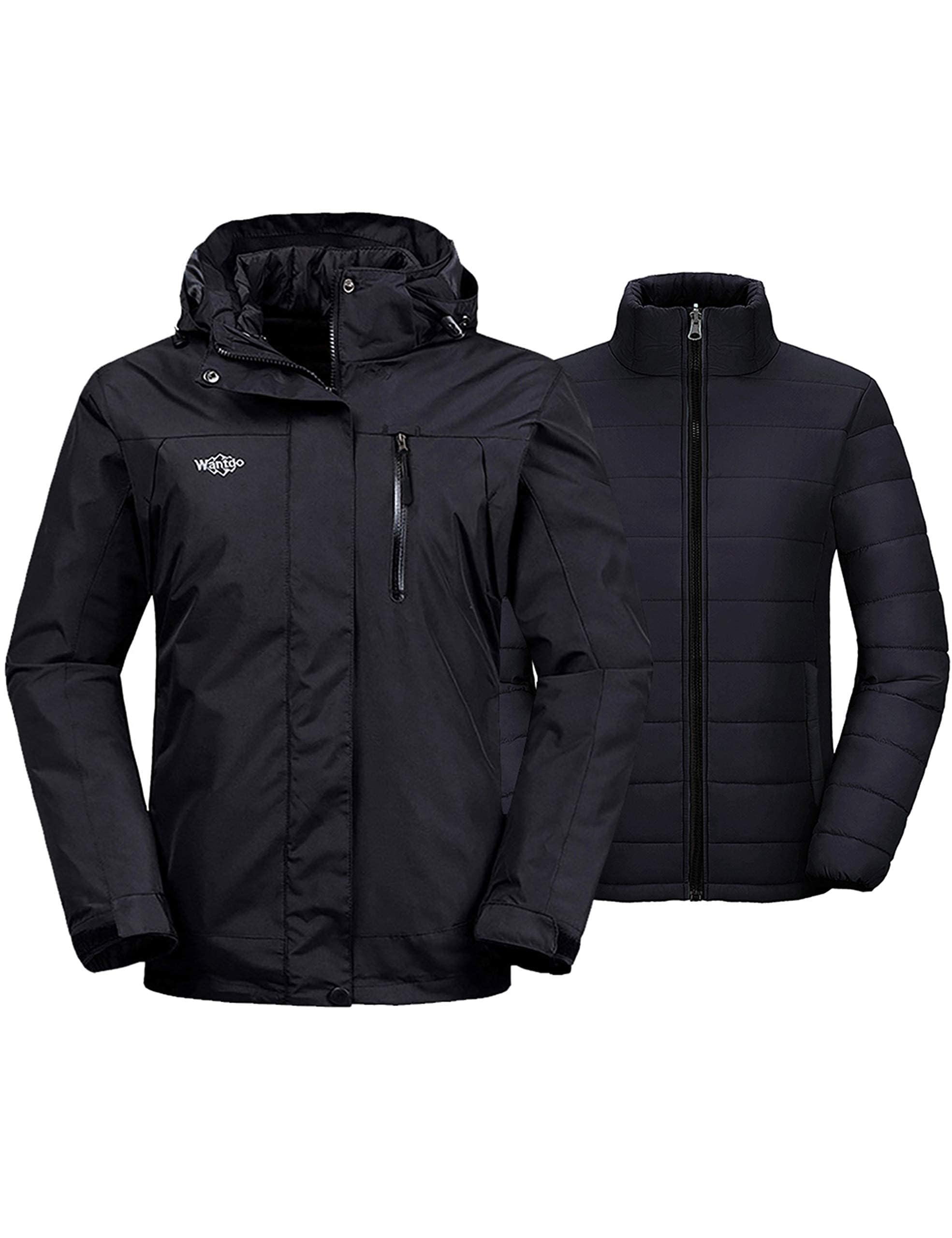
wantdo 3-in-1 Ski
Key Features
- Waterproofing: waterproof
- Insulation & Warmth: moderate to high
- Fit Accuracy: runs small
- Zipper Durability: reliable
- Versatility: removable liner, hood
- Price: $$
The wantdo 3-in-1 combines a waterproof shell with a zip-out liner, letting you wear the shell alone in mild weather, the liner as a mid-layer, or both together for cold conditions. Hikers and skiers who want a single jacket for variable temperatures will appreciate the flexibility. One note: the cut runs slim – if you plan to wear bulky base layers underneath, going up a size ensures comfortable movement.
Pros
- Adaptable for three seasons of use with just one jacket
- Removable liner provides adjustable warmth as conditions change
- Solid construction and waterproofing at a mid-range price
Cons
- The fit is snug when layered – order one size up for full range of motion
Buy this if you need a modular jacket for variable conditions and can manage the sizing – it covers fall through winter without needing separate coats.
Best for Rainy Mild Cold
33,000ft Softshell Long
Key Features
- Waterproofing: water-resistant
- Insulation & Warmth: mild warmth
- Fit Accuracy: true to size
- Zipper Durability: reliable
- Versatility: fixed hood
- Price: $
This softshell jacket pairs a fleece lining with water-resistant fabric, offering warmth and protection for drizzle and chilly days. It is designed for light rain and cool weather, not for heavy downpours — sustained rain can soak through. The cut is sleek and flattering, a clear advantage over bulkier coats. This makes it a strong everyday option for mild, wet winters where style and comfort matter.
Pros
- Warm for a softshell
- Good water resistance for light rain
- Sleek, flattering fit
Cons
- Mid-thigh length may feel shorter than expected on taller frames
For mild, wet winters where style and comfort matter, this softshell delivers.
Best for Budget Skiing
CAMEL CROWN Ski Jacket
Key Features
- Waterproofing: waterproof
- Insulation & Warmth: high warmth
- Fit Accuracy: runs small
- Zipper Durability: reliable
- Versatility: fixed hood
- Price: $
This fleece-lined ski jacket delivers genuine warmth and water resistance at a budget-friendly price. The sporty cut runs small, so ordering at least one size up is necessary for proper fit. It suits women on a budget who prioritize warmth and don’t mind adjusting their size selection.
Pros
- Soft fleece lining keeps you warm in cold weather
- Solid build quality for the price point
- Comfortable and cozy interior for all-day wear
Cons
- Sporty cut runs small; sizing up is required for a comfortable fit
A practical budget ski jacket for those who plan ahead for its sizing quirk.
Best for Mild Winter Travel
TDYPCI Lightweight Puffer

Key Features
- Waterproofing: water-resistant
- Insulation & Warmth: moderate warmth
- Fit Accuracy: true to size
- Zipper Durability: reliable
- Versatility: fixed hood
- Price: $
This puffer jacket packs down small enough to stow in a tote, yet provides genuine warmth for chilly commutes above 30°F. The lightweight construction makes it ideal for layering, but it’s not built for deep winter or heavy snow. At a budget-friendly price, it delivers solid value for moderate cold.
Pros
- Warm for its weight
- Lightweight and packable
Cons
- Best used above 30°F; not intended for sub-freezing temperatures
Ideal for travelers or commuters in mild winter climates who prioritize packability over extreme warmth.
Best for Budget 3-In-1
MAGCOMSEN 3-in-1 Ski

Key Features
- Waterproofing: waterproof
- Insulation & Warmth: moderate warmth
- Fit Accuracy: runs small
- Zipper Durability: reliable
- Versatility: removable liner
- Price: $
This budget 3-in-1 combines a waterproof shell with a warm fleece liner, offering solid warmth for cold days and good overall quality for the price. However, the cut runs small, so ordering a size up is necessary for a proper fit. It’s a capable option for casual winter use, but its warmth doesn’t match higher-priced competitors, and the sizing inconsistency limits its appeal.
Pros
- Warmth for cold days with the combined shell and liner.
- Good construction and value for the price point.
Cons
- Runs small — ordering a size up is necessary, which may complicate fit.
Suitable for budget-conscious shoppers who prioritize value and are willing to size up, but not for those needing maximum warmth or a guaranteed fit out of the box.
Best for Fashion Cropped
Gihuo Cropped Puffer

Key Features
- Waterproofing: water-resistant
- Insulation & Warmth: mild warmth
- Fit Accuracy: varies
- Zipper Durability: reliable
- Versatility: fixed hood
- Price: $
This jacket delivers noticeable warmth for its cropped design and looks sharp enough to complement any outfit. The short length, however, can leave the torso exposed to cold air, making it a poor choice for snow or extended time outdoors. Best suited as a fashion layer over hoodies in mild climates rather than a standalone winter coat.
Pros
- Warm and well-insulated for a cropped jacket
- Stylish and trendy look
Cons
- Cropped length can leave the torso exposed to cold air
A fashionable option for mild winter days or as a top layer over hoodies, but not for serious cold or full-body coverage.
How to Choose
The most common reason a winter coat fails is not warmth or waterproofing — it’s a broken zipper.
Waterproofing vs Water Resistance
A waterproof coat uses taped seams and a membrane like Gore-Tex to keep water out. Water-resistant coats rely on a DWR coating that wears off over time. For hiking in sustained rain or snow, look for fully sealed seams.
Insulation Type and Warmth Level
Down offers the best warmth-to-weight ratio but loses its loft when wet. Synthetic insulation is heavier but dries faster. If you hike in wet conditions, prioritize synthetic for reliable performance.
Fit and Sizing Accuracy
Brands use different sizing standards, and a coat that’s too tight restricts movement and layering. A coat that’s too loose lets heat escape. Read fit notes in reviews and consider sizing up if you plan to layer.
Zipper Durability
Plastic zippers are cheap but bend, crack, and fail under repeated use. Metal or coil zippers cost more but last years. A broken zipper renders the coat useless — check zipper material before buying.
Versatility Features
Removable hoods and zip-out liners make a coat usable across three seasons. The trade-off is added bulk and more failure points. For a single do-it-all coat, a 3-in-1 design is hard to beat.
FAQ
Why does my new winter coat zipper keep getting stuck or breaking?
Cheap plastic zippers are the main culprit. They bend, crack, or lose alignment under stress. Look for coats with metal or coil zippers from brands like YKK. If yours fails early, it’s a design flaw, not wear and tear.
Should I size up or down for a women’s ski jacket?
Always size up if you plan to layer a fleece under the jacket. Many ski jackets are cut trim, and a tight fit restricts movement and traps less warmth. Check recent reviews for your specific size — inconsistent sizing is common.
Is a 3-in-1 jacket better than a parka for hiking in winter?
For hiking, yes — a 3-in-1 gives you a waterproof shell and an insulated liner that can be worn separately. Parkas are warmer for static use but too bulky for active movement. Choose a 3-in-1 for versatility on the trail.
How can I tell if a winter coat is actually waterproof or just water resistant?
Check for taped seams and a waterproof rating (e.g., 10,000mm). Water-resistant coats use only a DWR coating that beads water briefly but soaks through in heavy rain. If the listing doesn’t mention taped seams, it’s not fully waterproof.